

Celebrity SEO / YouTube
How Celebrities Use YouTube SEO to Grow Their Personal Brand
Written By Nishi Singh • Last Update Jul 14, 2026
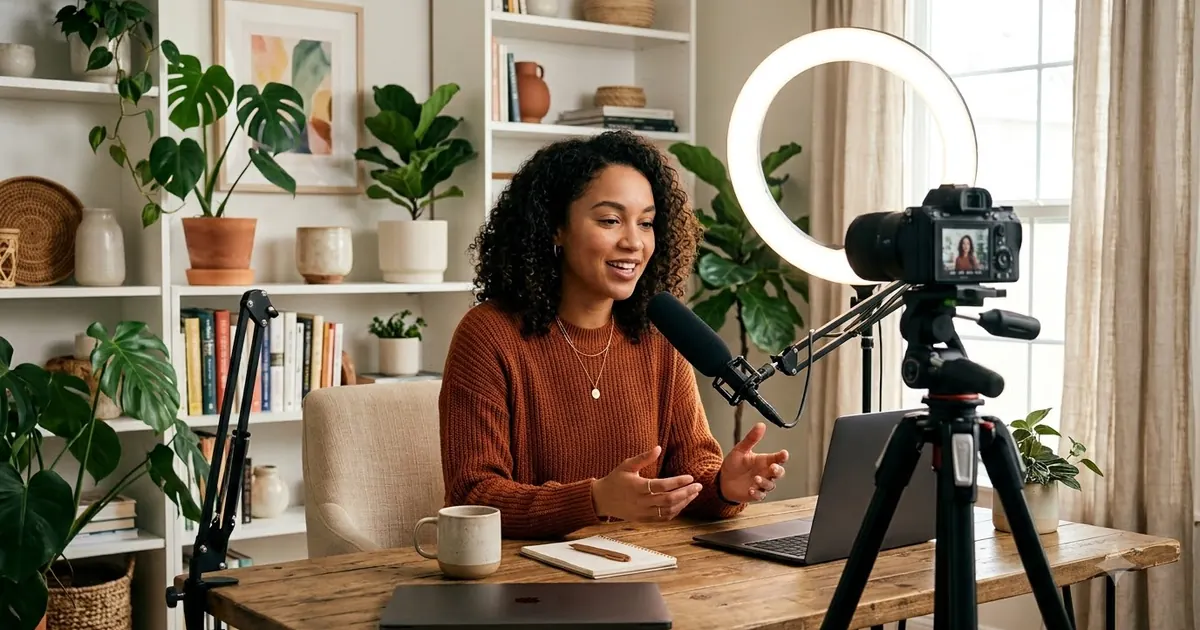
YouTube is one of the few platforms where a public figure can own long-form video, short clips, live streams and community conversation in one place, and it is also a major search engine in its own right. YouTube SEO for celebrities is the process of making that content easy to find, both inside YouTube and in Google and AI-generated answers about the person.
This guide is for actors, musicians, athletes, presenters, authors, creators and the managers who look after their channels. It covers how to optimise the channel itself, individual videos, Shorts and playlists, how musicians can use an Official Artist Channel and how to read YouTube Studio data to decide what to make next.
Quick Answer: How do celebrities use YouTube SEO to grow their personal brand?
Celebrities use YouTube SEO by optimising their channel name, handle, About section and trailer, then giving every video a searchable title, a detailed description, chapters, accurate captions and a strong thumbnail. They combine long-form videos with Shorts, playlists and collaborations, and use YouTube Studio analytics to refine content so it surfaces in YouTube, Google and AI answers.
Key Takeaways
- A clear channel name, handle and About section help YouTube and Google connect the channel to the person.
- Titles, descriptions, chapters and captions give search systems the text they need to understand each video.
- Thumbnails and titles work together to earn the click, which affects how widely a video is shown.
- Shorts, playlists and collaborations extend reach, while an Official Artist Channel unifies a musician’s presence.
- YouTube Studio analytics show which topics and formats viewers actually want, so the strategy can improve over time.
Why does YouTube matter for a celebrity’s personal brand?
YouTube matters because it gives a public figure a space where they control the content, the context and the tone, and because YouTube videos frequently appear in Google results for people’s names. Interviews, behind-the-scenes clips and performances can all rank for searches that would otherwise be filled by third-party coverage.
It is also a strong discovery engine. Fans search YouTube for specific moments, songs, roles and topics, and the recommendation system surfaces videos to people who have never heard of the creator. Good optimisation makes sure the official channel, rather than a re-upload or fan compilation, is the one they find. It fits naturally alongside wider celebrity SEO work on the official website and profiles.
How should a celebrity optimise their YouTube channel?
Start with the channel itself, because it is the hub every video points back to. A well-set-up channel tells YouTube, Google and viewers exactly who the person is and what they will get by subscribing.
Channel name and handle
Use the name people actually search for, usually the professional or stage name, and keep it identical to the official website and other verified profiles. Claim the matching @handle, or the closest available version, because handles appear in links, mentions and Shorts and are increasingly how channels are referenced.
About section and links
Write a concise description that explains who the person is, what they are known for and what kind of videos the channel publishes. Put the most important information first, use natural language rather than a list of keywords, and add links to the official website, other social profiles and a business enquiries contact.
Banner, profile picture and layout
Use a recognisable profile photo and a banner that works on mobile, TV and desktop. Organise the channel homepage into sections, such as latest releases, popular videos and key playlists, so new visitors can quickly find the best content.
Channel trailer and featured video
YouTube lets you show a channel trailer to people who have not subscribed and a featured video to returning subscribers. Keep the trailer short and personal: who you are, what you make and why it is worth subscribing. Update the featured video around releases and campaigns.
How do you write video titles, descriptions, chapters and tags?
Write metadata for the viewer first and the algorithm second: say clearly what the video is, using the words people search for. This text is one of the main ways YouTube and Google understand a video’s topic.
Titles
Lead with the most searchable part of the topic, such as the project, song, role, event or question the video answers. Include the person’s name where it helps recognition, keep titles readable on a phone and avoid misleading clickbait, which tends to hurt watch time and trust.
Descriptions
The first couple of lines show in search and above the fold, so summarise the video there. Below that, add context, credits for collaborators, links to related videos, playlists and the official website, plus a few relevant hashtags if they genuinely fit.
Chapters
Chapters break a video into labelled sections. You can add them by listing timestamps in the description, starting at 0:00, with at least three chapters of a reasonable length; YouTube can also generate them automatically. Clear chapter titles help viewers jump to the part they want and can appear in Google as key moments.
Tags
YouTube has said tags play a minimal role in discovery. They are mainly useful for common misspellings of a name or alternative names for a project, so add a handful and spend your time on titles and descriptions instead.
Why do thumbnails and captions matter for YouTube SEO?
Thumbnails earn the click and captions provide the words, so together they influence both how often a video is chosen and how well it is understood.
Thumbnails
Custom thumbnails need a verified account. Use a clear, expressive face, a simple composition and no more than a few words of large text that add to the title rather than repeating it. Keep a consistent style so viewers recognise the channel in a busy feed, and check every thumbnail at small size on a phone.
Captions and transcripts
YouTube creates automatic captions for many videos, but they often get names, places and project titles wrong. Reviewing and correcting them, or uploading a professional caption file, improves accessibility, helps international and sound-off viewers and gives search systems an accurate transcript. Translated captions and titles can also open the channel to audiences in other languages.
| YouTube element | Best practice for a public figure |
|---|---|
| Channel name and handle | Use the name people actually search for, matching the official website and other verified profiles. |
| About section | Open with who the person is and what the channel offers; add official website, social and booking links. |
| Channel trailer | A short introduction for non-subscribers that shows the best of the channel and ends with a reason to subscribe. |
| Video titles | Lead with the topic or project people search for; keep the name or series name where it helps recognition. |
| Descriptions | Summarise the video in the first lines, then add context, credits, links and timestamps. |
| Chapters | Add timestamps starting at 0:00 with clear, descriptive labels so viewers and search engines can navigate. |
| Tags | Add a few for common misspellings or alternative names; do not rely on them for discovery. |
| Thumbnails | Use a clear face, readable text in few words and a consistent visual style that matches the title. |
| Captions | Upload or correct captions, especially for names, places and project titles that auto-captions get wrong. |
| Shorts | Use vertical clips to reach new viewers and point them towards related long-form videos. |
| Playlists | Group videos by project, series or theme with keyword-relevant titles and short descriptions. |
How can Shorts, playlists and collaborations grow a celebrity’s reach?
Shorts bring in new viewers, playlists keep them watching and collaborations introduce the channel to other audiences. Used together, they turn one-off views into a growing subscriber base.
Shorts
Shorts are vertical videos of up to a few minutes that appear in the Shorts feed, search and on the channel. They suit quick reactions, rehearsal clips, trailers, tips and moments from longer videos. Give each Short a descriptive title and, where it fits, link it to the related full-length video so interested viewers can go deeper.
Playlists
Playlists group videos by project, series, tour, season or theme. Give each one a keyword-relevant title and a short description; playlists can appear in search results and encourage viewers to watch several videos in a row.
Collaborations
Appearing on other creators’ channels, and inviting guests onto your own, exposes the channel to audiences who already trust the collaborator. Credit and link each other clearly in titles, descriptions and pinned comments so the connection is visible to viewers and search systems.
Community posts
Eligible channels can publish text, image and poll posts to the Community tab. These keep subscribers engaged between uploads, test ideas for future videos and announce releases, live streams and events. Paid promotion through YouTube advertising can then amplify the videos that perform best organically.
What is an Official Artist Channel and who should use one?
An Official Artist Channel brings a musician’s content together in one place. It combines the artist’s own uploads with their official music, which may otherwise sit on an automatically generated Topic channel, so subscribers, search results and recommendations point to a single channel.
Official Artist Channels show a music note badge next to the channel name and give the artist more control over how their catalogue is presented. Eligibility typically depends on having a YouTube channel and official music releases distributed on YouTube, and requests usually go through the artist’s label, distributor or YouTube partner manager. Musicians should check YouTube’s current requirements before applying, then apply the same channel, title and description best practices described above.
How should you use YouTube Studio analytics to improve?
YouTube Studio shows which videos attract viewers, where they come from and where they lose interest, so it should drive every content decision. Review it after each upload and in more depth each month.
- Impressions and click-through rate: show how often thumbnails are seen and how often they earn a click.
- Average view duration and audience retention: reveal where viewers drop off, which helps improve openings and pacing.
- Traffic sources: show whether views come from YouTube search, suggested videos, browse features, Shorts or external sites such as Google.
- Search terms: show the actual phrases people used to find the channel, which is valuable input for future titles.
- Audience reports: show returning and new viewers, when the audience is online and what else they watch.
Look for patterns rather than reacting to single videos. If interviews about a particular project consistently attract search traffic, that is a signal to create more content around it.
Expert Tip
Before writing a title, type the topic into YouTube’s search bar and note the autocomplete suggestions, then check the search terms report in YouTube Studio for existing videos. Fans rarely search the exact title a publicist would choose, and matching their phrasing is often the simplest way to lift views from search.
How does YouTube content appear in Google results and AI answers?
YouTube videos regularly appear in Google’s video results, in video carousels for name and topic searches and as key moments when chapters are present. That makes YouTube SEO part of broader search visibility, not a separate silo, and specialist YouTube SEO services often work on both at once.
Answer engine optimisation (AEO) and generative engine optimisation (GEO) add another layer. AI tools such as Google AI Overviews, ChatGPT and Perplexity may reference or summarise videos when answering questions, and they rely on clear text to do so: titles, descriptions, chapters and transcripts. Videos that directly answer common questions, such as “how did they prepare for the role?”, with accurate captions and descriptive chapters are easier for these systems to understand and cite. Embedding key videos on the official website with supporting text strengthens the connection further, and answer engine optimisation can help shape that content into quotable answers.
How NSP Global Services Can Help
NSP Global Services helps public figures, managers and creative teams set up and optimise YouTube channels, write search-friendly metadata, plan Shorts and playlists and connect YouTube activity with the official website and wider search strategy. We review YouTube Studio data with you and turn it into practical next steps.
We do not promise viral results or fixed subscriber numbers, but we can help make sure the right content reaches the people already looking for it. To discuss your channel, contact our team.
Conclusion
YouTube gives a public figure direct control over how their story is told on video, but only if people can find it. Optimise the channel, write clear titles and descriptions, add chapters and accurate captions, design thumbnails that earn the click and use Shorts, playlists and collaborations to extend reach.
Then let the data guide you. With regular reviews in YouTube Studio and a steady publishing rhythm, a celebrity’s channel can become one of the strongest assets in their personal brand, visible on YouTube, in Google and in the AI answers that increasingly shape first impressions.
Frequently Asked Questions
Do celebrities need a separate YouTube SEO strategy from regular creators?
The core techniques are the same, but public figures face extra challenges. Their name already attracts searches, so re-uploads, fan compilations and impersonation channels compete for attention. A celebrity strategy therefore puts more emphasis on clearly official branding, consistent naming with other verified profiles and making sure official videos outrank unofficial copies for name and project searches.
How long should a celebrity’s YouTube channel trailer be?
Keep it short, ideally under a minute or so. The trailer is shown to people who have not subscribed, so it should quickly introduce who the person is, what kind of videos the channel offers and why it is worth subscribing. Focus on personality and the best moments rather than a long showreel, and refresh it when the channel’s focus changes.
Can YouTube videos help a celebrity rank in Google search?
Yes. Google often shows YouTube videos for searches about people, projects and events, sometimes in video carousels or as key moments from chapters. A well-optimised video with a clear title, detailed description and accurate captions can take up valuable space on the first page of results for a name, alongside the official website and social profiles.
How do I get an Official Artist Channel on YouTube?
Official Artist Channels are for musicians with official music distributed on YouTube. Requests usually go through the artist’s record label, music distributor or a YouTube partner manager, who can confirm eligibility and submit the application. Check YouTube’s current help pages for the latest requirements, as criteria can change, and make sure the existing channel is already well organised first.
Are YouTube Shorts worth it for public figures?
For most public figures, yes. Shorts can reach people who would never search for a long video and suit quick, personal moments such as rehearsals, reactions and announcements. The key is linking them to the wider channel so new viewers have somewhere to go next. Treat Shorts as a discovery tool that supports long-form content rather than a replacement for it.
Where can I find a YouTube SEO agency near me for a celebrity channel?
YouTube SEO is largely done remotely, so the right partner matters more than their postcode. Look for an agency that understands both YouTube and wider search, including Google results and AI answers, and that reports clearly using YouTube Studio data. NSP Global Services is a UK-based agency that supports public figures and their managers with YouTube and celebrity SEO.
Do AI tools like ChatGPT and Google AI Overviews use YouTube videos?
AI search tools can reference or summarise video content when answering questions, and Google’s AI features sometimes show videos alongside answers. They depend on text to understand a video, so accurate titles, descriptions, chapters and captions make it easier for these systems to interpret and cite a celebrity’s content correctly. Clear, question-focused videos tend to be easier to quote.
Nishi Singh
(Content Writer & SEO Manager)
NSP Global Services is a leading digital marketing agency specialising in SEO, content strategy, and paid advertisements — helping businesses across SaaS, B2B, and e-commerce achieve measurable growth online.
Posted on: Jul 14, 2026