

Protected Area Website Development Services
Custom Websites for Protected Areas, Nature Reserves, Wildlife Sanctuaries & Conservation Land Trusts
Visitors planning a trip want trail maps, permit rules, and current conditions before they arrive, while supporters want to understand the conservation work behind the scenery. NSP Global Services builds custom websites for protected areas, nature reserves, wildlife sanctuaries, and conservation land trusts, serving both visitors and supporters clearly.
We combine custom UI/UX design, responsive development, bookings and ticketing, what’s-on listings, visitor information, local SEO, and conversion-focused website architecture to help turn online visitors into guests.
Free · No obligation
Get a Free Website Proposal
Share a few details and a strategist will get back to you with clear next steps.
What Is Protected Area Website Development?
Protected Area website development is the process of designing and building a website specifically for a protected area. A professional protected area website combines your branding, experiences, bookings or tickets, events, opening times, visitor information, and local SEO into one easy-to-use experience for visitors.
Unlike a generic business website, a protected area website is built around what visitors check before they arrive: trail maps and difficulty levels, permit or entry fee requirements, current conditions and closures, and what wildlife or habitat the area protects.
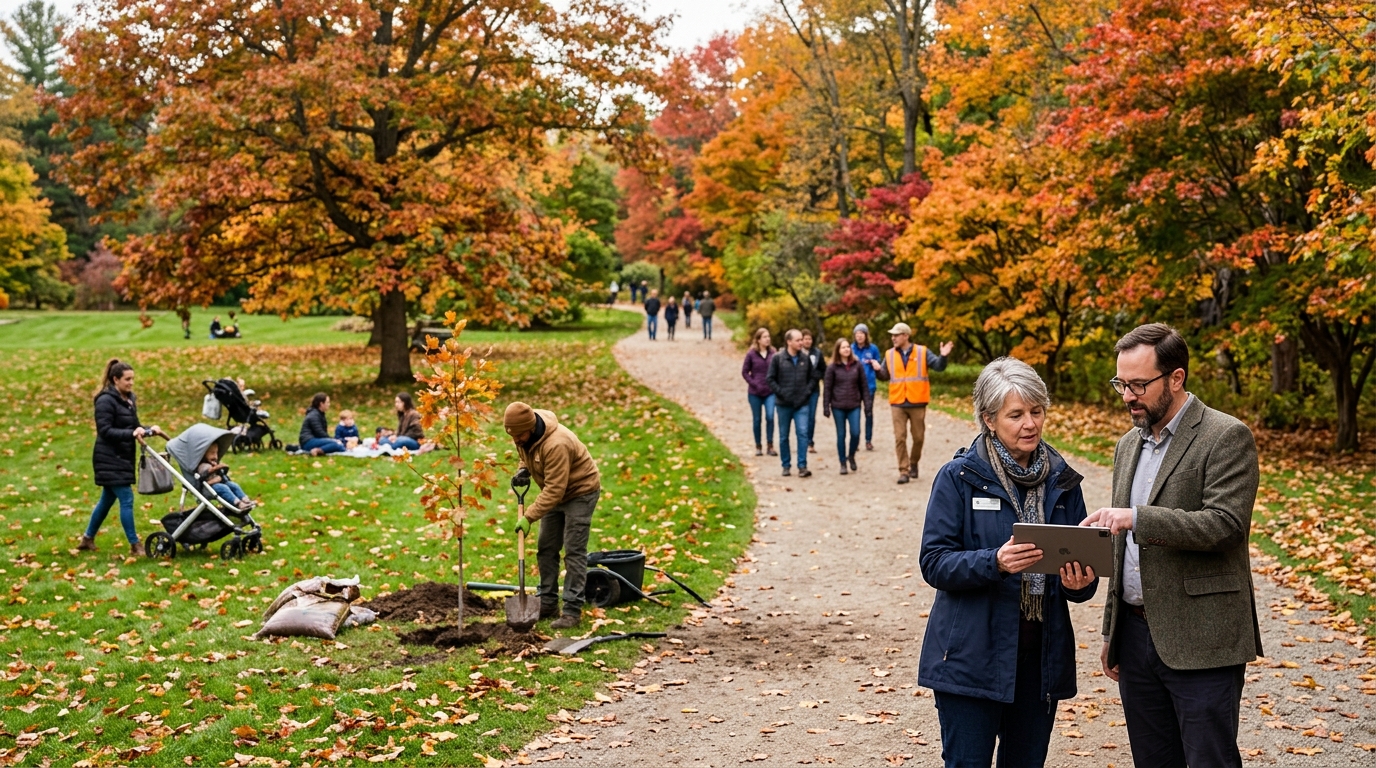
Benefits of Professional Protected Area Website Development
A well-designed protected area website does more than list basic information. It builds trust, answers the questions visitors ask most, and makes it easy to take the next step.
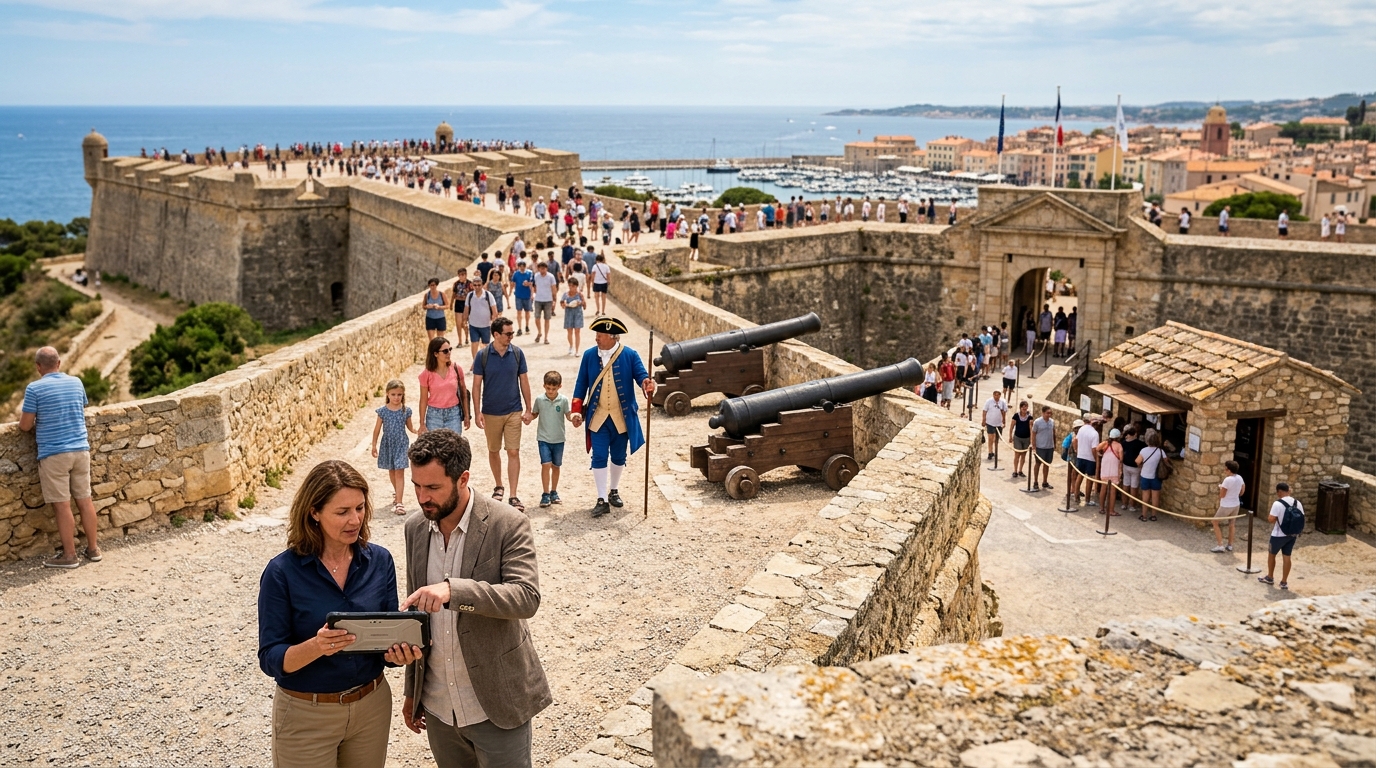
- Show what guests can expect
With striking photos, video, and descriptions of your spaces and experiences.
- Sell more bookings and tickets
With online booking, ticketing, and packages that are easy to buy.
- Promote events and seasons
With a what’s-on calendar, offers, and special occasions.
- Help visitors plan their trip
With opening times, prices, directions, parking, and accessibility details.
- Build trust from the first visit
With a professional design that reflects the quality of your venue.
- Improve local visibility
With SEO-focused content and location information.
- Make your venue mobile-friendly
So visitors can find information, get in touch, and get directions from their phones.
- Answer common questions
With clear information and FAQs that cut down repetitive calls and emails.
- Track what works
With analytics and conversion tracking on bookings, ticket sales, calls, and enquiries.
- Strengthen your brand
With a custom visual identity designed around your venue and visitors.
Why Does a Protected Area Need a Professional Website?
Visitors plan a trip around accurate, current information. Before arriving, they check trail maps and difficulty levels, confirm permit or entry fee requirements, look for current conditions or closures, and want to understand what makes the area worth protecting.
A professional protected area website puts this information in one dependable place and gives visitors a clear next step.
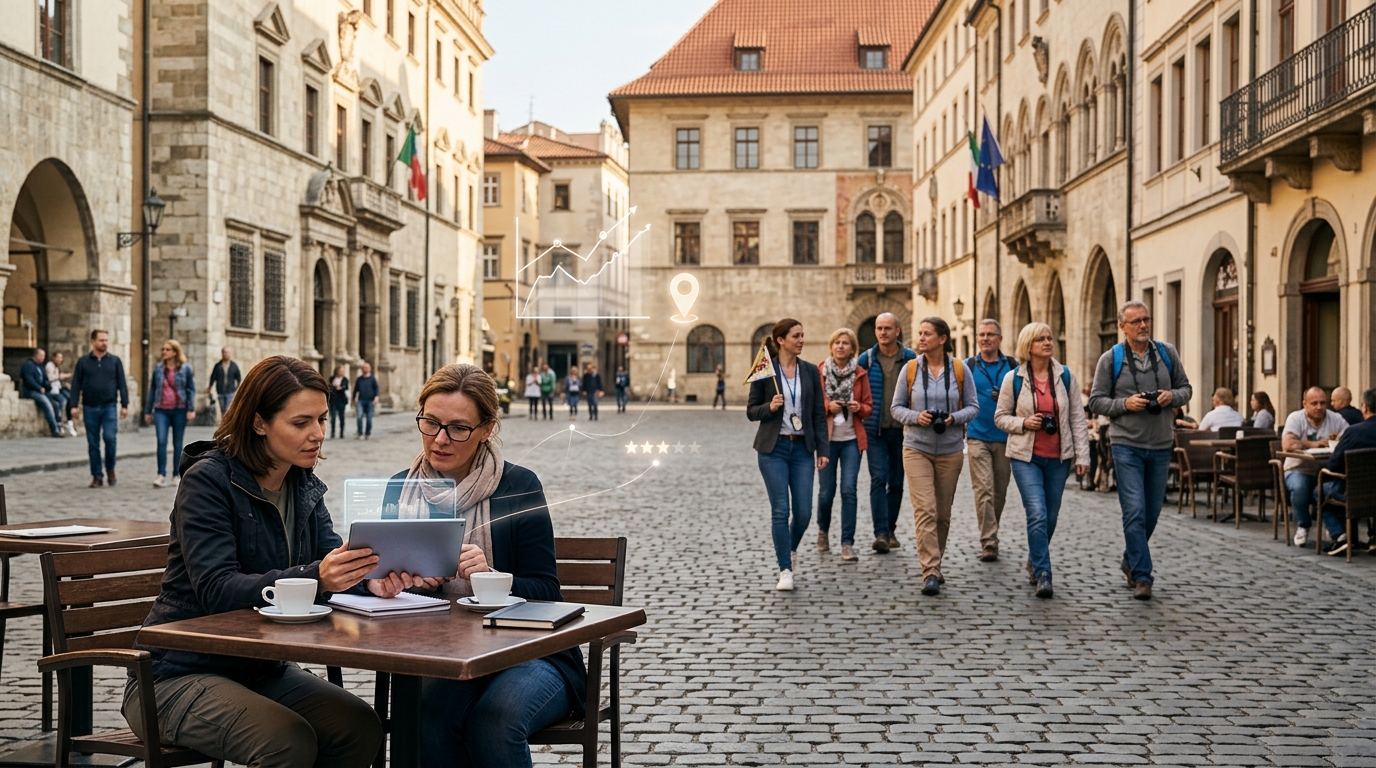
Your website can help visitors:
- Discover you through search engines.
- See photos and what to expect.
- Check opening times and prices.
- Book, reserve, or buy tickets online.
- Find directions, parking, and accessibility details.
- Read reviews from other guests.
- Check trail maps and difficulty levels.
- Confirm permit or entry fee requirements.
- Look for current conditions or closures.
For protected areas competing for attention online, a fast, clear, trustworthy website often shapes the first impression long before anyone gets in touch.
Protected Area Website Development for Different Types of Destinations
Every protected area has its own guests, experiences, and atmosphere. NSP Global Services creates customized websites based on how your venue actually works and who it needs to reach.
Trail Map Website Development
Publish trail maps with distance, difficulty, and elevation for visitor planning.
Permit & Entry Website Development
Explain permit requirements, entry fees, and how to obtain them in advance.
Conservation Program Website Development
Present conservation projects and habitat restoration work supported by visitors.
Current Conditions Website Development
Publish trail closures, weather advisories, and seasonal access changes.
Volunteer & Donation Website Development
Take volunteer sign-ups and donations that support conservation work.
Guided Tour Website Development
Promote ranger-led tours and educational programs for visitors and schools.
Wildlife & Habitat Website Development
Showcase the species and habitats the protected area exists to safeguard.
Visitor Gallery Website Development
Share photos of landscapes and wildlife that draw visitors to the area.
Also see our pages for model car play area website development, sailing event area website development, and natural rock climbing area website development.
Essential Features of a Professional Protected Area Website
Your website should make it simple for visitors to find what they need, understand what you offer, and take the next step. Depending on your requirements, we can integrate features such as:
Mobile-First Responsive Design
Your website should work seamlessly on smartphones, tablets, laptops, and desktops, so visitors can find what they need on any device.
Trail Maps & Difficulty Levels
Publish trail maps with distance, elevation, and difficulty ratings, so visitors can plan a route that matches their fitness and time before they arrive.
Permit & Entry Fee Information
Explain permit requirements and entry fees clearly, with guidance on how to obtain them in advance where required, avoiding confusion at the gate.
Current Conditions Updates
Publish trail closures, weather advisories, and seasonal access changes that your team can update quickly, keeping visitors safe and informed.
Conservation & Volunteer Pages
Present the conservation work behind the scenery, with volunteer sign-up and donation options for visitors who want to support the area’s protection.
Online Booking & Ticketing
Let visitors book, reserve, or buy tickets online, with confirmations and reminders.
What’s On & Events Calendar
Publish events, seasonal openings, and special dates in a calendar your team can update.
Google Maps & Visitor Information
Help visitors plan their visit with a map, directions, parking, and accessibility details.
Reviews & Testimonials
Show genuine guest feedback to build trust with people comparing options.
Content Management System
Give your team simple tools to update pages, images, news, and opening hours without technical help.
SEO-Friendly Architecture
Build on search-friendly page structures, metadata, internal links, and fast technical foundations.
Analytics & Conversion Tracking
Measure bookings, ticket sales, calls, and enquiries, and see which pages visitors use most.
What Pages Should a Protected Area Website Have?
The ideal structure depends on your venue, but most professional protected area websites benefit from the following pages:

- Home
Introduce your venue, what makes it different, and the main actions visitors can take.
- About
Share your story, team, values, experience, and credentials.
- Trails
Maps with distance, elevation, and difficulty.
- Visiting
Permits, entry fees, and current conditions.
- Conservation
Habitat and species protection projects.
- Get Involved
Volunteer opportunities and donations.
- Visit & Plan
Opening times, prices, directions, parking, and accessibility in one place.
- Events & What’s On
Upcoming events, seasonal highlights, and special occasions.
- Gallery
Photos and video that show the atmosphere and experience.
- FAQs
Answer the questions visitors ask most before they get in touch.
- News & Stories
Share updates, behind-the-scenes stories, and seasonal news.
- Contact
Give visitors convenient ways to call, email, or send an enquiry.
NSP can create a website architecture around the specific visitors, services, and journeys of your venue.
Our Protected Area Website Development Process
We follow a structured process to create a website that reflects your organization and supports its goals.
Protected Area Website Development & Local SEO
A great-looking website needs to be discoverable when people search for protected areas and things to do in their area.
NSP Global Services builds SEO-ready protected area websites with location-focused content, clear visitor information, and technical foundations designed to help search engines understand your venue, services, and location.

Your website can be structured around relevant search intent such as:
Our approach can include technical SEO, location-focused content, event structured data, visitor information, internal linking, metadata, and content designed around the questions guests ask.
The goal is to make your website easier for both people and search engines to understand.
AI Search & AEO-Ready Protected Area Websites
Visitors increasingly use conversational search and AI assistants to find places to go, compare options, and check opening times or prices before they visit.
For example, a potential visitor may search:
NSP can structure your website content to provide clear, useful information that helps search engines and AI-powered search systems understand your venue.
Our approach can include:
- Clear question-and-answer content.
- Search-intent-focused headings.
- Entity-focused website architecture.
- Concise answer sections.
- Location and organization information.
- Relevant structured data.
- Strong internal linking.
- Descriptive service and page content.
- FAQ content based on real questions.
- Mobile-friendly and crawlable website architecture.
- Clear information about opening times, prices, bookings, and events.
Rather than creating content solely around keywords, we organize information around the questions people actually ask and the entities associated with your venue.
How a Protected Area Website Can Turn Visitors Into Guests
A protected area website should guide each visitor toward a clear next step instead of simply displaying information.
We design websites around conversion opportunities such as:

View Trail Maps
Show distance, elevation, and difficulty.
Check Permits & Fees
Explain entry requirements before a visit.
Support Conservation
Take volunteer sign-ups and donations.
Get Directions
Show your address, map, parking, and transport links prominently.
Call Us
Provide click-to-call for guests with quick questions.
See What’s On
Give quick access to upcoming events and seasonal highlights.
Read Reviews
Put genuine guest feedback where people are deciding.
Follow on Social Media
Connect visitors with your latest news and offers.
Every important action should be easy to find without requiring visitors to navigate through multiple pages.
Common Problems with Protected Area Websites
Many protected area websites lose potential visitors because important information is hard to find or there is no clear next step.
Common issues include:
- Trail maps are outdated or missing entirely.
- Permit and entry fee requirements are unclear.
- Closures and conditions are not updated in time.
- Out-of-date opening times and prices.
- Booking or ticket journeys that are hard to finish.
- Poor mobile experience.
- Slow-loading pages and oversized images.
- Missing directions, parking, and accessibility details.
- Weak local search visibility.
- Low-quality photos.
- Events that are hard to find.
NSP designs protected area websites around real journeys, making essential information and actions easy to reach while presenting your venue professionally.
Why Choose a Custom Protected Area Website?
A generic website template may cover the basics, but a protected area needs a digital experience built around guests, experiences, and easy booking.
A custom website lets your online presence reflect the experience visitors can expect when they choose your venue.
How Much Does Protected Area Website Development Cost?
The cost of developing a protected area website depends on the size and complexity of the project. Factors that affect pricing include the number of pages, custom design, the CMS, booking or ticketing functionality, events calendars, integrations, SEO, content, and ongoing support.

Starter Protected Area Website
£899
from, one-time
Suitable for smaller protected areas that need a professional website with essential pages, visitor information, contact options, and SEO foundations.
Custom Protected Area Website
£1,899
from, one-time
Suitable for established protected areas that need custom design, online booking or ticketing, events calendars, galleries, integrations, and stronger SEO.
Advanced Protected Area Website
£3,899
from, one-time
Suitable for larger or multi-location protected areas that need multiple sites, memberships, advanced ticketing, advanced integrations, or custom functionality.
NSP Global Services can recommend an appropriate website approach based on your goals, audience, and required functionality.
Why Choose NSP Global Services for Protected Area Website Development?
Choosing the right development partner means looking beyond visual design. Your website should support your venue, the visitors it serves, search visibility, and your long-term goals.

Industry-Focused Website Strategy
We plan websites around the needs of protected areas and the visitors they serve.
Tailored UI/UX Design
Your website is designed around your venue’s identity and the journeys visitors take most often.
Mobile-Friendly Development
We build responsive websites that work consistently across phones, tablets, laptops, and desktops.
Conversion-Focused Architecture
We make the actions that matter, such as book now, buy tickets, see what’s on, and get directions, easy to find.
SEO-Ready Development
We build technical and content foundations that support organic and local search visibility.
AI-Search-Ready Content
We structure information so search engines and AI assistants can understand your services, location, and venue.
Ongoing Website Support
We can provide updates, maintenance, performance monitoring, and improvements after launch.
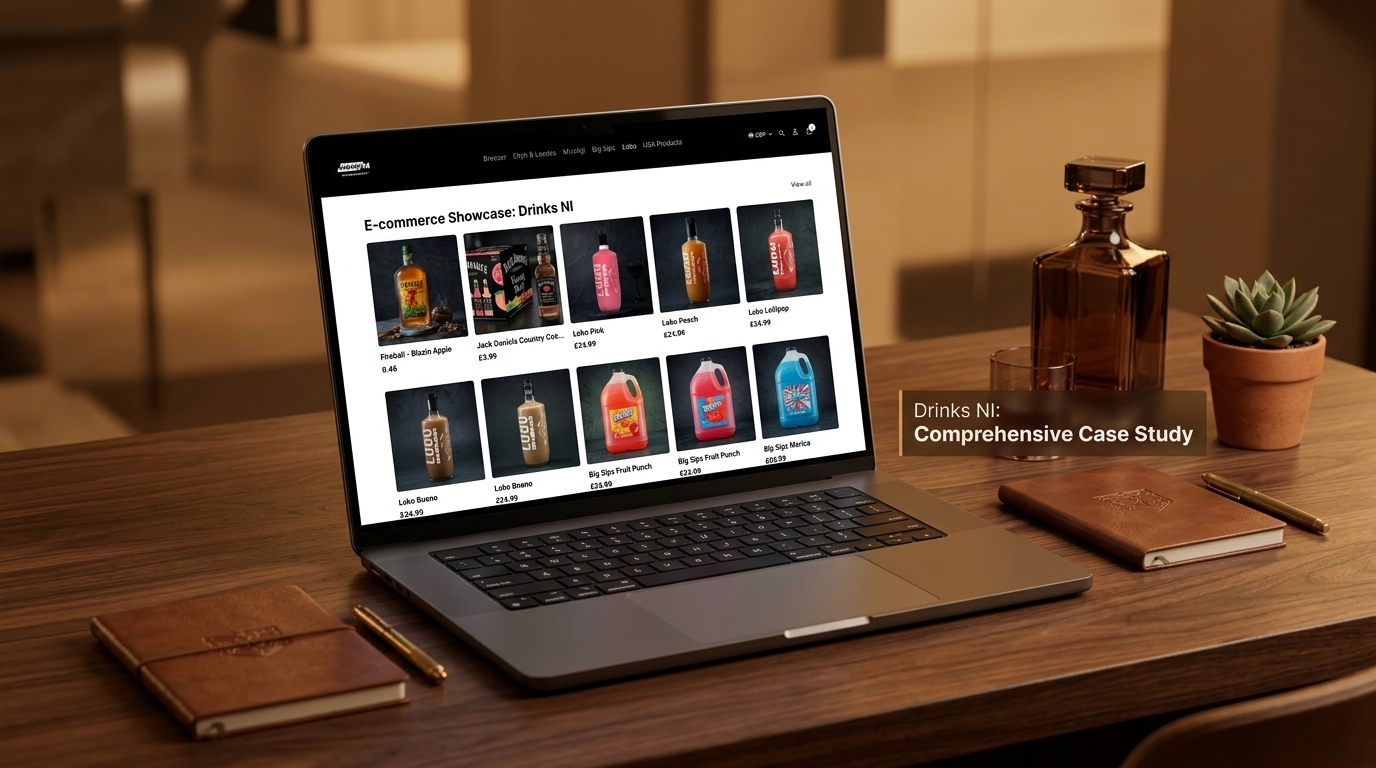
Case Study – DrinksNi
Ecommerce Website Development
NSP Global Services developed a high-performance ecommerce platform for DrinksNi, a digital experience requiring strong product discovery, brand presentation, intuitive navigation, and a conversion-focused customer journey.
Key Development Highlights
The project demonstrates our ability to develop fast, well-structured digital experiences with clear journeys for every visitor. The same approach to clear navigation, fast pages, and well-structured content carries across to protected area websites, where visitors need to find the right information quickly.
What Can a Professional Protected Area Website Help You Achieve?
A strategically developed website can support several important goals:

- Increase online visibility.
- Make your venue easier to discover.
- Sell more bookings and tickets.
- Promote events and seasonal openings.
- Help guests plan their visit.
- Reduce repetitive questions.
- Build trust with genuine reviews.
- Strengthen your brand identity.
- Improve accessibility for every visitor.
- Provide measurable booking data.
Your website becomes more than an online brochure—it becomes a central digital channel for your venue.
Frequently Asked Questions About Protected Area Website Development
Get Your Protected Area Online with a Website Built to Fill Every Day
Help visitors plan safely and understand the conservation work protecting the area.
Whether you run a single protected area or several sites, NSP Global Services can create a website tailored to your guests, experiences, and goals.
From custom UI/UX design and bookings, ticketing, and events to SEO and ongoing support, we can help you build a stronger digital presence for your venue.
Ready to build your protected area website?
Our Other Digital Marketing & Website Services
Build a stronger online presence with NSP Global Services’ related services for protected areas and other tourism & hospitality organizations:
Tourism & Hospitality Marketing
Digital marketing and SEO for tourism & hospitality organizations.
Local SEO
Help people nearby find you in local search results and maps.
Website Redesign
Rebuild an outdated website without losing content or rankings.
Website Design & Development
Custom websites, eCommerce, and web applications built to convert.