WhatsApp Logo
  • 12+ Years of SEO Experience
  • 500+ Projects
  • Google & Meta Partner
  • No Long-Term Contracts
NSP Global Services
Food Brand Programmatic Advertising

Programmatic Advertising Services for Food Producers and Brands

Reach the right shoppers at the right time with data-driven programmatic advertising for food producers and brands. We create and manage targeted digital campaigns that help food companies build product awareness, support retail launches, and send interested shoppers to stockists or online stores.

Our food programmatic advertising strategies combine audience targeting, automated media buying, real-time bidding, campaign optimization, and performance reporting to help you make better use of your advertising budget.

Whether you are launching a new product line, supporting a seasonal range, entering new retail channels, or growing an online store, we build campaigns around your food brand's goals, shopper audiences, regions, and product portfolio.

Display | Video | Mobile | Native | Connected TV | Real-Time Bidding | Performance Reporting

/01The Basics

What Is Programmatic Advertising for Food Producers and Brands?

Definition

Programmatic advertising for food producers and brands is an automated approach to buying digital advertising inventory using technology, audience data, and real-time bidding. Instead of manually purchasing individual advertising placements, food brands can use programmatic platforms to reach relevant shoppers across websites, apps, video environments, connected TV, and other digital channels.

  • Websites
  • Apps
  • Video
  • Connected TV
  • Other digital channels

Programmatic advertising is particularly useful for food brands because shopper demand can change based on season, product launches, retail promotions, regional tastes, dietary interests, and household routines.

Our programmatic advertising services help food brands connect their campaigns with relevant audiences while continuously using performance data to refine targeting, bidding, placements, and budgets.

Campaigns can respond to changes in:

  • Seasons
  • Launches
  • Promotions
  • Regional tastes
  • Dietary interests
  • Meal occasions
  • Retail channels

Why Programmatic Advertising Works for Food Producers and Brands?

Shoppers often see a product, read ingredient details, compare it with similar items, and look for where to buy before adding it to a basket. Programmatic advertising allows food brands to maintain visibility throughout this digital journey.

  1. Discover a product
  2. Read ingredients
  3. Compare options
  4. Find a stockist
  5. Buy
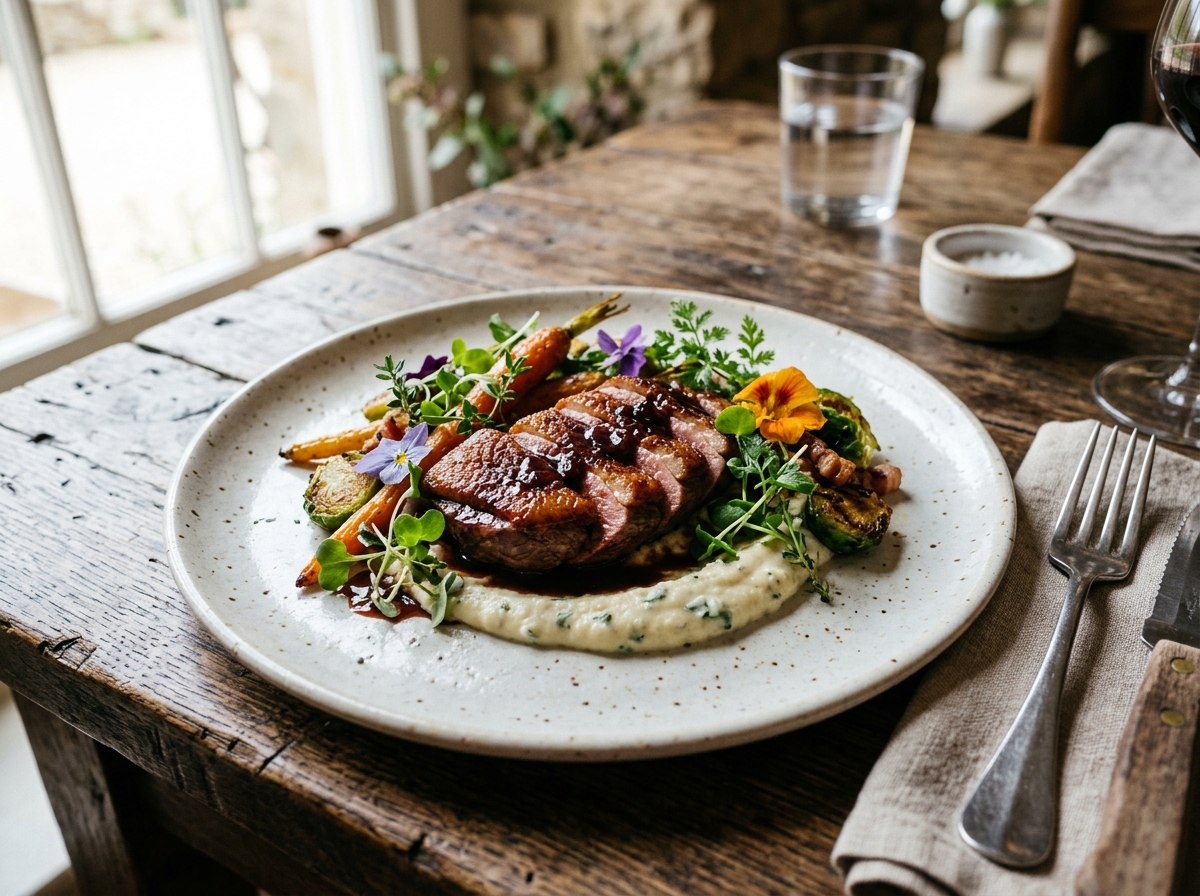
Plated dish on a rustic wooden table

1. Reach Relevant Shoppers

Use audience targeting and permitted advertising signals to reach households whose interests and shopping habits fit your products and campaign objectives.

2. Promote Products and Ranges

Create campaigns around a new product, a seasonal range, a recipe idea, or a priority retail channel so the message matches what shoppers care about.

3. Support Purchases and Store Visits

Send interested shoppers to your online store, a where-to-buy page, or a stockist locator instead of relying only on in-store discovery.

4. Optimize Campaigns in Real Time

Programmatic campaigns can use ongoing performance data to adjust bids, targeting, placements, budgets, and other campaign variables.

5. Scale Across Digital Channels

Reach audiences across supported display, video, mobile, native, connected TV, and other digital advertising environments.

6. Make Data-Driven Decisions

Monitor campaign performance through agreed KPIs and use campaign insights to identify opportunities for improvement.

Programmatic advertising for every industry

/02Use Cases

Programmatic Advertising Use Cases for Food Producers and Brands

Programmatic advertising can support food brands at different stages of the customer journey and across multiple marketing objectives.
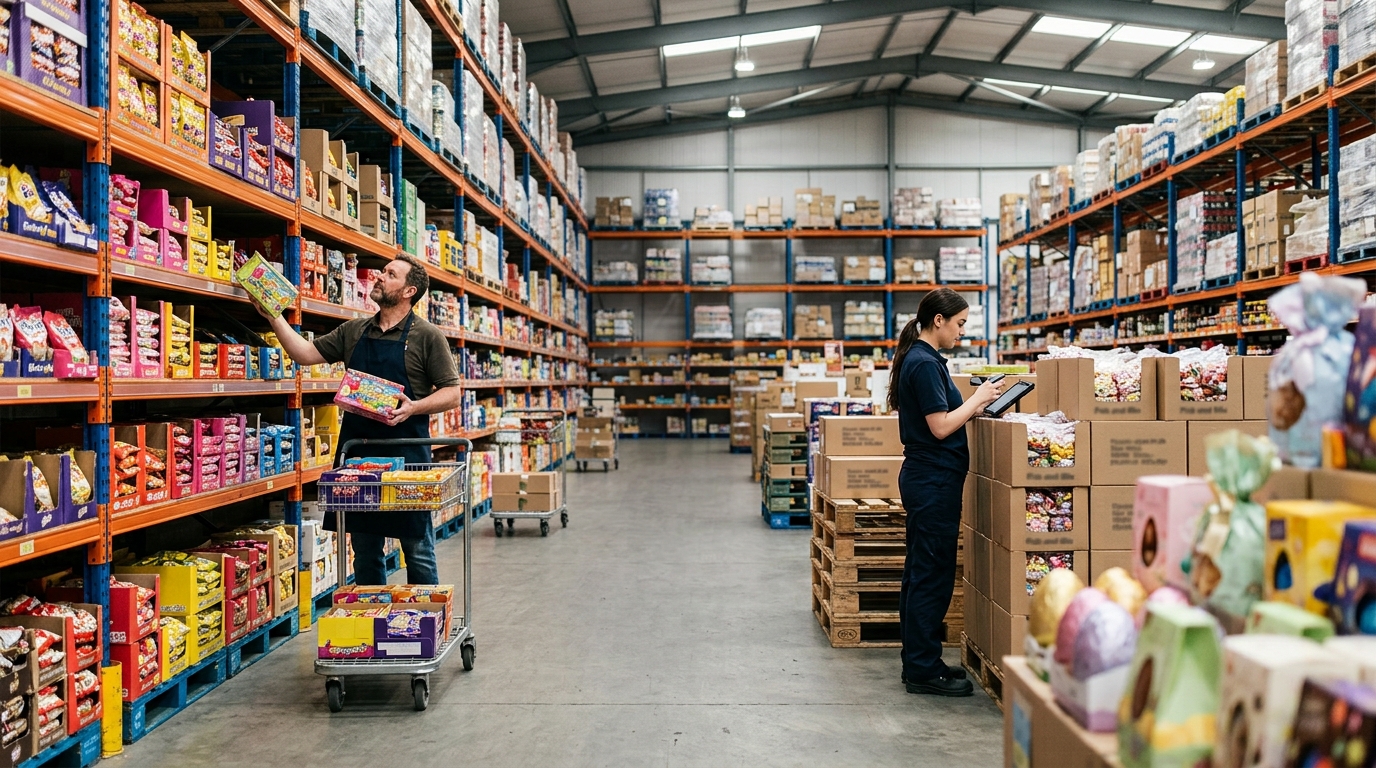
  • Shopkeeper choosing boxed sweets and chocolate from racks in a confectionery wholesale warehouse
    Retail distribution
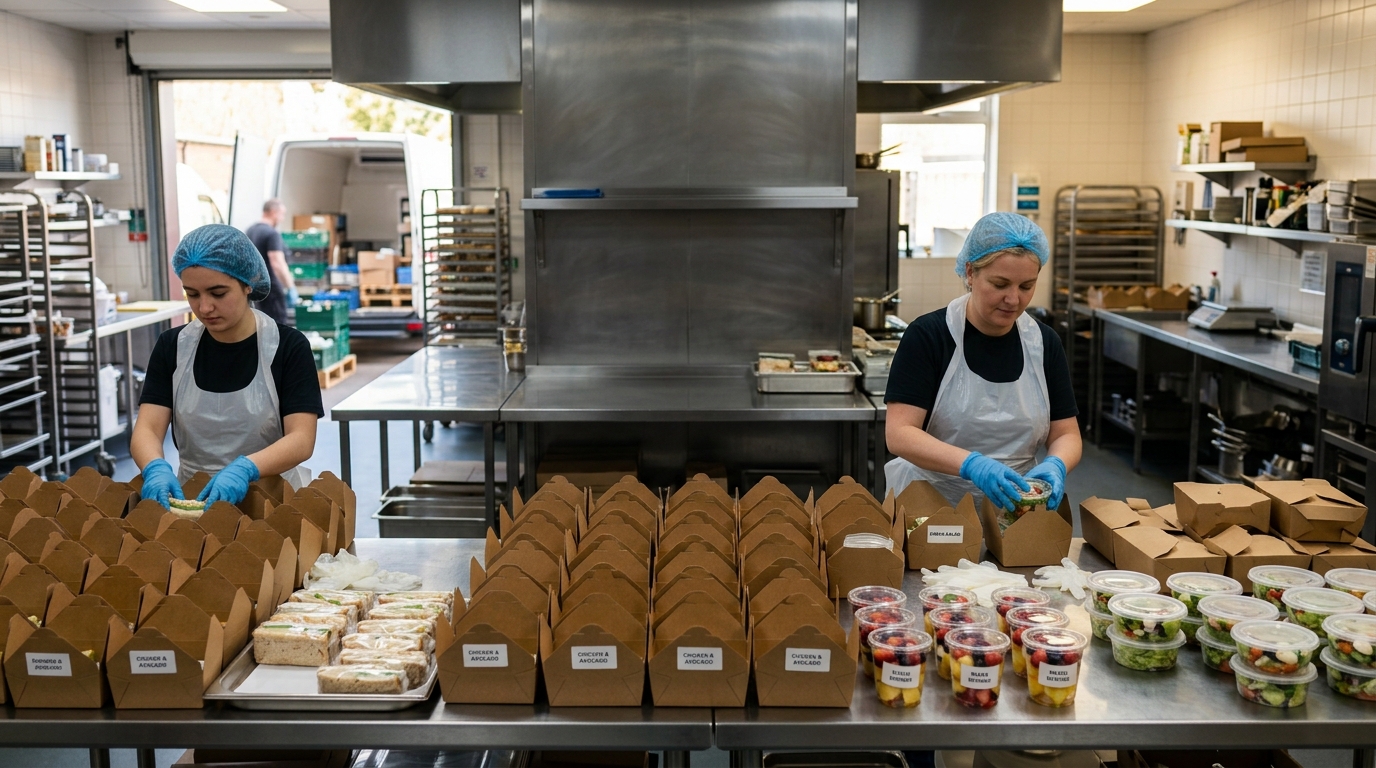
  • Catering staff packing rows of labelled boxed lunches on a stainless-steel counter in a commercial kitchen
    Meal occasions
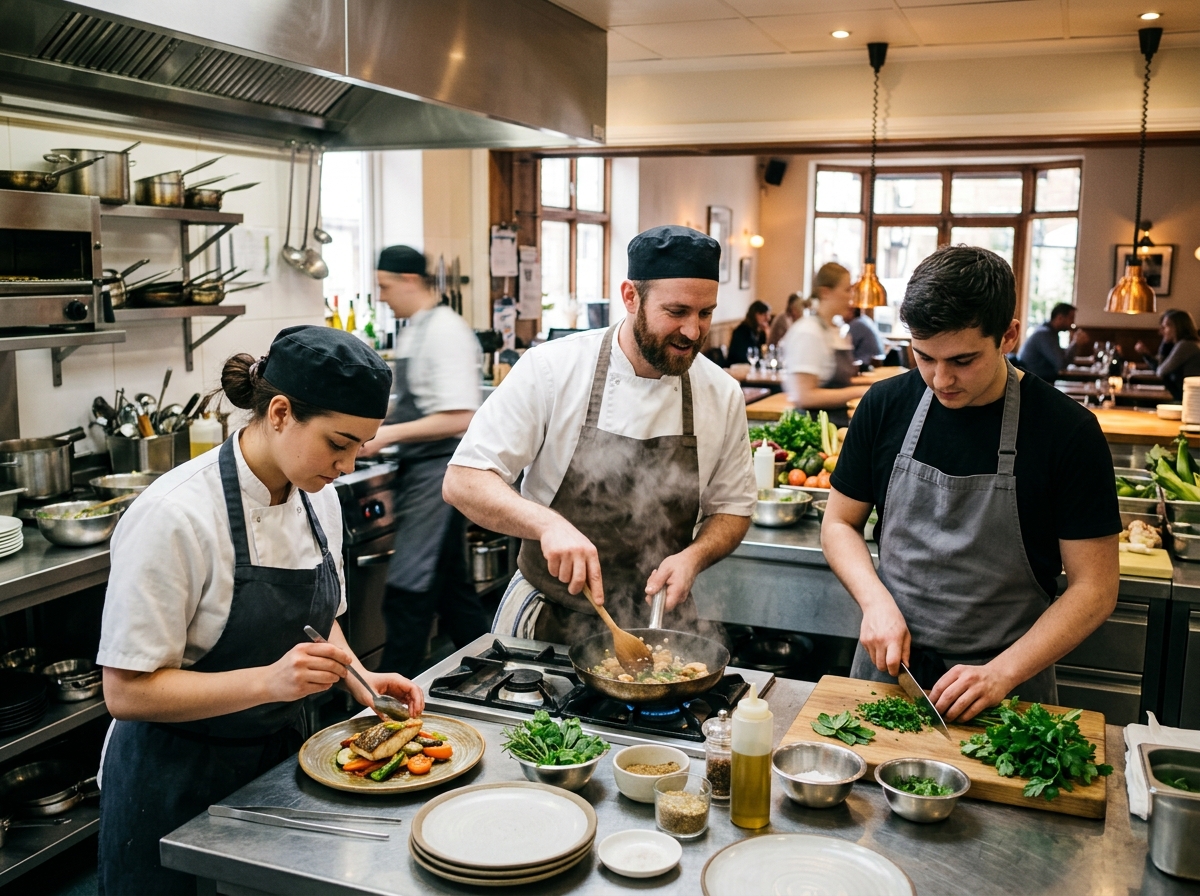
  • Kitchen staff preparing dishes in an open kitchen
    Product stories
  • 1. Launch a New Product

    Build awareness for a new product or flavor with display, video, and connected TV formats aimed at relevant audiences.

  • 2. Support Retail Distribution

    Raise demand around the regions and retail channels where your products are stocked so shelf placement is backed by awareness.

  • 3. Grow Direct-to-Consumer Sales

    Direct qualified visitors to your online store and encourage first orders, bundles, or subscriptions.

  • 4. Promote Seasonal Ranges

    Time campaigns around holidays, harvest periods, and seasonal occasions when interest in your products rises.

  • 5. Share Recipes and Serving Ideas

    Use native and video placements to show how your products fit everyday meals and special occasions.

  • 6. Build Brand Awareness

    Use display, video, connected TV, and other supported formats to keep your brand familiar to shoppers over time.

  • 7. Re-engage Interested Visitors

    Where supported and compliant with applicable platform policies, reconnect with eligible users who have previously visited your website.

YouTube & video advertisingGoogle Ads management

/03Services & Process

Our Programmatic Advertising Services for Food Producers and Brands

We develop food advertising campaigns around your business objectives, shopper audiences, products, retail channels, and campaign timelines.
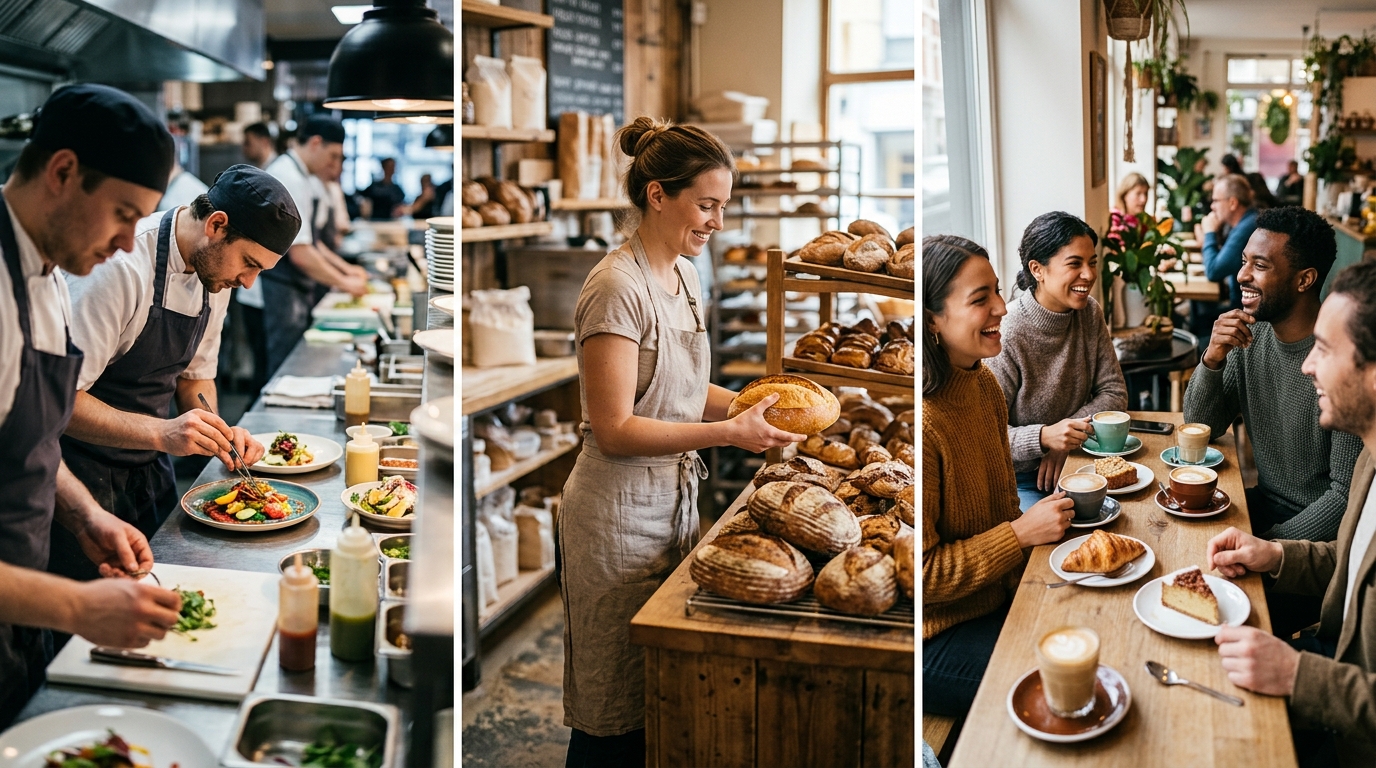
A restaurant kitchen, a bakery counter and a café table side by side
  • 1. Audience Research & Segmentation

    We identify relevant audience segments and develop targeting strategies based on campaign objectives, products, retail channels, regions, shopper interests, markets, and permitted audience signals.

  • 2. Campaign Strategy & Planning

    We determine the appropriate campaign structure, advertising channels, audience strategy, creative requirements, budget allocation, bidding approach, and measurement framework.

  • 3. Programmatic Media Buying

    We use programmatic advertising platforms and automated bidding to help purchase relevant digital advertising inventory across supported websites, apps, video environments, and other channels.

  • 4. Creative & Ad Format Strategy

    We align creative messaging and advertising formats with campaign objectives, audiences, products, retail channels, regions, and the stage of the customer journey.

  • 5. Real-Time Campaign Optimization

    We continuously monitor campaign performance and refine targeting, bidding, budgets, placements, and creative based on available performance data.

  • 6. Performance Reporting

    We provide clear reporting around agreed campaign KPIs so you can understand where your advertising budget is being spent and how campaigns are performing.

Explore our programmatic advertising agency

How Does Programmatic Advertising Work for Food Producers and Brands?

Our food programmatic advertising process follows a structured, data-driven approach.

  1. 01 — Audience Research

    We identify your target shopper audiences, markets, products, retail channels, regions, and campaign objectives.

  2. 02 — Campaign Setup

    We configure campaign objectives, targeting, creative assets, budgets, bidding strategies, tracking, and other relevant campaign settings.

  3. 03 — Automated Media Buying

    Programmatic technology evaluates available advertising inventory and uses automated bidding to compete for placements that match campaign requirements.

  4. 04 — Real-Time Optimization

    We monitor campaign data and make ongoing adjustments to improve targeting, bidding, placements, creative performance, and budget efficiency.

  5. 05 — Performance Reporting

    We analyze campaign results against agreed KPIs and provide actionable insights to guide future optimization.

/04Measurement

How We Measure Food Advertising Performance

The right KPIs depend on the objective of your food advertising campaign. Depending on your campaign, we may monitor:

  • Impressions and reach
  • Click-through rate (CTR)
  • Website traffic
  • Engagement
  • Conversion rate
  • Cost per click (CPC)
  • Cost per acquisition (CPA)
  • Return on ad spend (ROAS)
  • Product-level performance
  • Retail channel performance
  • Regional campaign performance
  • Audience performance

We agree on the most relevant KPIs before campaign launch and use performance data to guide ongoing optimization.

Analytics & tracking setup

Why Choose Us for Food Programmatic Advertising?

Marketing team planning a campaign around a table

Food advertising requires a strategy that considers more than simply placing ads online. Product range, shelf life, retail partners, regional availability, seasonality, and labeling rules can all influence advertising performance.

Our approach combines:

  • Food-focused campaign strategy
  • Audience research and segmentation
  • Data-driven media buying
  • Programmatic campaign management
  • Real-time bidding and optimization
  • Multi-channel advertising
  • Performance monitoring
  • Conversion-focused campaign planning
  • Transparent reporting
  • Continuous testing and refinement

With 12+ years of experience, 500+ projects delivered, and a stated 98% client satisfaction rate, we bring an experienced, performance-focused approach to digital marketing and advertising.

Google & Meta Partner

/05AI Search

Generative Engine Optimization for Food Producers and Brands

Shoppers increasingly use search engines and AI-powered tools to compare food products, check ingredients and dietary suitability, and find where to buy before making a purchase.

Our Generative Engine Optimization (GEO) approach focuses on making food-related content clear, structured, useful, and fact-based so that search engines and AI-powered search systems can better understand the information.

We focus on:

  • Clear answers to common shopper questions
  • Well-structured and logically organized content
  • Relevant food brand, product, ingredient, retailer, and region entities
  • Fact-based and useful information
  • Consistent business and service information
  • FAQ content aligned with real search intent
  • Content that clearly explains services, processes, benefits, and expertise

GEO complements traditional SEO and AEO by helping content communicate its meaning clearly across both conventional search and generative search experiences.

Explore AI search optimization

Our Process for Food Producers and Brands

  1. 01 — Audience Research

    We define who your campaigns should reach based on your objectives, markets, products, retail channels, regions, and relevant audience signals.

  2. 02 — Campaign Setup

    We configure campaign targeting, creative, bidding, budgets, tracking, and programmatic placements.

  3. 03 — Real-Time Bidding

    Programmatic technology automatically evaluates available inventory and bids for suitable advertising opportunities.

  4. 04 — Optimization

    We continuously evaluate campaign performance and refine targeting, bidding, creative, placements, and budgets.

  5. 05 — Reporting & Insights

    We provide performance reporting and actionable insights to help inform ongoing campaign decisions.

/06Get Started

Ready to Reach More Shoppers?

Whether you want to launch a new product, back a retail rollout, grow online orders, or build awareness across new regions, our team can develop a programmatic advertising strategy around your goals.

Frequently Asked Questions About Programmatic Advertising for Food Producers and Brands

1. How is programmatic advertising different from regular digital advertising for food producers and brands?

Programmatic advertising uses automated technology, audience data, and real-time bidding to purchase digital advertising inventory. For food producers and brands, this can help reach relevant shopper audiences across multiple digital environments while allowing campaigns to be optimized based on performance data and agreed objectives.

2. What ad formats can you run for food producers and brands?

Depending on the advertising platform, campaign objectives, and available inventory, programmatic campaigns can use formats such as display ads, native advertising, video, mobile advertising, connected TV, and other supported digital formats.

3. How much budget does a food brand need for programmatic advertising?

There is no universal budget for food programmatic advertising. The appropriate budget depends on factors such as target markets, products, retail channels, regions, audience size, campaign duration, competition, advertising formats, media costs, and business objectives. We can recommend a suitable budget after reviewing your requirements.

4. Can programmatic advertising help food brands increase product sales?

Programmatic advertising can support sales objectives by raising awareness among relevant shoppers and directing them to an online store or stockist page. Actual sales also depend on factors such as pricing, distribution, packaging, reviews, promotions, targeting, and campaign execution.

5. Can you advertise specific products or regions?

Yes. Programmatic campaigns can be structured around specific products, ranges, retail channels, or geographic regions. This lets messaging and targeting reflect where products are available and which shoppers you want to reach, within the labeling and advertising rules that apply to food.

6. Do you optimize food programmatic campaigns in real time?

Yes. We monitor campaign performance and can optimize relevant campaign elements throughout the campaign. Depending on the platform and campaign setup, this may include targeting, bidding, budgets, placements, creative assets, and other settings.

7. Do you optimize food content for AI search tools such as ChatGPT and Google AI Overviews?

Yes. Our GEO and AEO approach focuses on creating clear, structured, fact-based content that addresses user questions and makes important information easier for search engines and AI-powered search systems to understand. However, no agency can guarantee that a particular AI platform will cite or display a specific page.

8. How much does food programmatic advertising cost?

Programmatic advertising costs vary based on campaign scope, target markets, advertising platforms, audience requirements, campaign duration, creative requirements, media spend, and management requirements. We can provide a tailored quotation after reviewing your campaign objectives.

9. Do you require a long-term contract?

Contract terms depend on the services and campaign scope required. We can discuss campaign duration, management requirements, deliverables, and commercial terms before starting the engagement.

10. What if we are already working with another digital marketing agency?

You can use our programmatic advertising services alongside another agency when responsibilities are clearly defined. We can focus on programmatic media buying, campaign management, optimization, reporting, or other agreed areas while your existing agency manages other digital marketing activities.

11. How do we get started with food programmatic advertising?

Start by sharing your food brand's advertising goals, target markets, products, retail channels, regions, target audience, approximate budget, and campaign timeline. We can review your requirements and recommend an appropriate programmatic advertising strategy.

12. Will we work directly with your programmatic advertising team?

Yes. We can establish a clear communication and reporting structure during onboarding, including points of contact, responsibilities, campaign updates, and performance reporting.