

Military Archive Website Development Services
Custom Websites for Military Archives, Regimental Museum Archives, Service Record Offices & War-History Research Centers
Create a professional online presence that helps researchers find your records, helps families trace the service of a relative, and gives your collection a permanent, citable home online. NSP Global Services builds custom websites for military archives, regimental and corps museum archives, service record offices, war-history research centers, veterans’ heritage trusts, and digitization projects.
We combine custom UI/UX design, responsive development, searchable catalogs, digitized record viewers, research and request forms, accessible content, and SEO-ready architecture to help turn website visitors into researchers, donors, and long-term supporters.
What Is Military Archive Website Development?
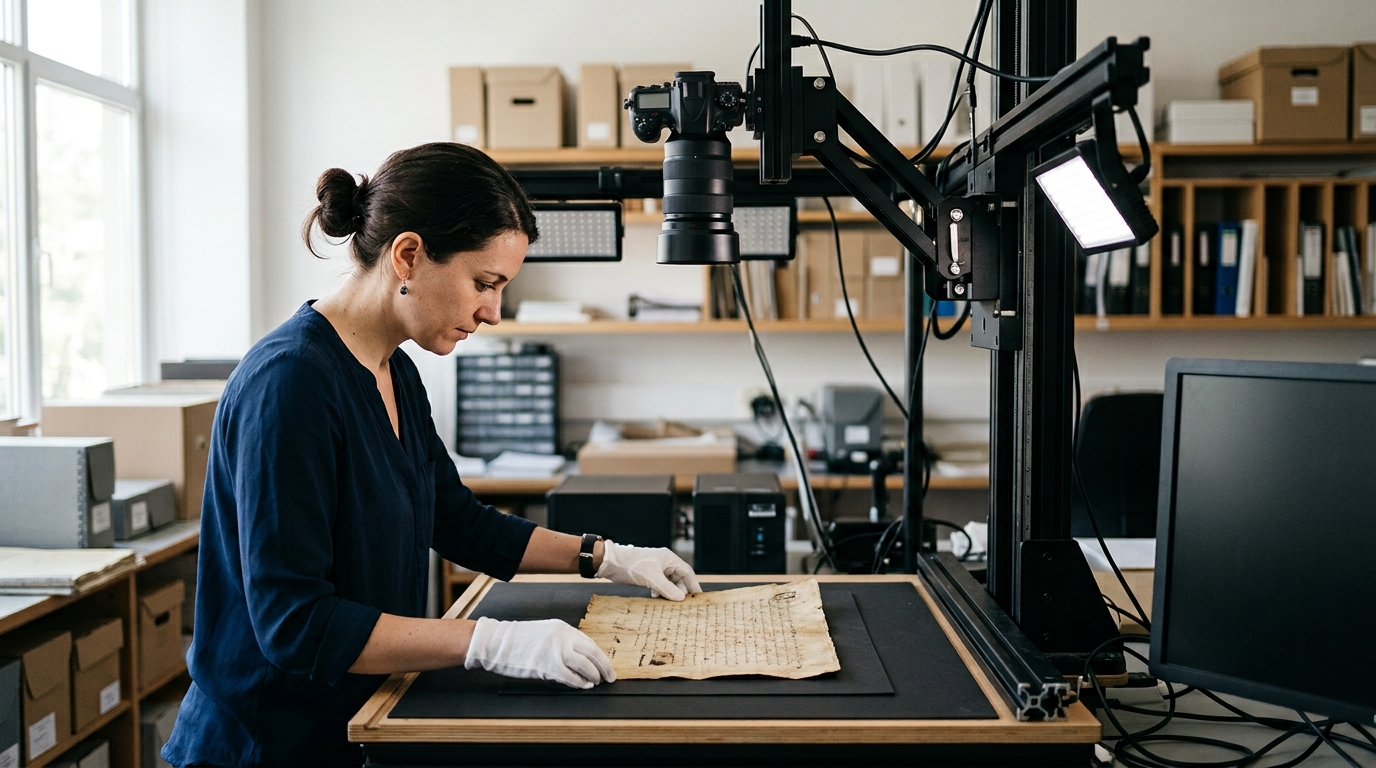
Military archive website development is the process of designing and building a website specifically for an organization that collects, preserves, and provides access to military records, papers, photographs, and oral histories. A professional military archive website combines your catalog, digitized collections, research guidance, request and booking forms, exhibitions, donation information, and reuse terms into one easy-to-use experience for family historians, academic researchers, veterans, students, and the wider public.
Unlike a generic business website, a military archive website is built around what researchers actually need: how to search the catalog, which records you hold and which are held elsewhere, how to request a service record or a copy, when the reading room is open, and how images can be cited or reused.
Benefits of Professional Military Archive Website Development
A well-designed military archive website does more than list opening hours. It opens your collections to people who may never visit in person, reduces repetitive enquiries to staff, and makes the stories in your records easier to discover.

- Open up your collections
With a searchable online catalog that lets researchers explore records, papers, photographs, and objects from anywhere.
- Present digitized records clearly
With a zoomable image viewer for war diaries, service papers, maps, and photographs.
- Simplify research requests
With structured online forms for service records, copy orders, and research enquiries that collect the right details the first time.
- Manage reading room visits
With clear visiting rules, opening times, and online appointment booking for researchers.
- Support family historians
With step-by-step research guides that explain what records survive, where they are held, and how to read them.
- Share stories and exhibitions
With online exhibitions, oral history clips, and collection highlights for anniversaries and commemorations.
- Encourage donations of material
With clear guidance for families who want to offer letters, medals, photographs, or diaries to the archive.
- Explain copyright and reuse
With plain-language licensing, citation, and image permission information alongside every record.
- Meet accessibility expectations
With a website designed and tested against WCAG 2.2 AA guidelines.
- Improve search visibility
So people searching for a regiment, a unit, a battle, or a service record can find your collections.
Why Does a Military Archive Need a Professional Website?
Most people who contact a military archive start online. They may be tracing a grandparent’s service, researching a unit or a campaign, writing a thesis, or checking whether a medal or diary belongs in a collection, and they want to know quickly whether you hold what they are looking for.
A professional military archive website answers those questions in one dependable place and gives every visitor a clear next step, whether they are a family historian, an academic researcher, a veteran, a teacher, a journalist, or a potential donor.

Your website can help researchers and families:
- Discover your collections through search engines.
- Search the catalog by name, unit, or conflict.
- View digitized records and photographs online.
- Request a service record or submit a research enquiry.
- Book a reading room appointment.
- Follow research guides for family history.
- Explore online exhibitions and oral histories.
- Offer records or artifacts for donation.
- Check copyright, citation, and reuse terms.
For military archives with limited reading room space and small teams, a clear, well-organized website often determines how many people can use the collection at all.
Military Archive Website Development for Different Types of Collections
Every archive has its own collections, governance, and audiences. NSP Global Services creates customized websites based on how your archive actually works and who it needs to serve.
Armed Forces Archive Website Development
Present large record collections with catalog search, finding aids, access conditions, and clear routes to request material.
Regimental & Corps Museum Archive Website Development
Connect the archive to the museum with collection highlights, regimental histories, research enquiries, and donation guidance.
Service Record Office Website Development
Explain which service records you hold, who can apply, what proof is needed, and how long requests take, with secure online forms.
War-History Research Center Website Development
Support academic and independent research with guides, publications, databases, events, and visiting-researcher information.
Digitization Project Website Development
Publish digitized war diaries, maps, and photographs with an image viewer, transcription progress, and project updates.
Oral History Collection Website Development
Share recorded testimonies with transcripts, captions, summaries, and access controls that respect each speaker’s consent.
Veterans’ Association & Heritage Trust Archive Website Development
Help associations preserve and share members’ records, photographs, newsletters, and unit histories.
Military Library & Special Collection Website Development
Make books, manuals, journals, and rare printed material discoverable with catalog links and subject guides.
Also see our pages for military archive web design, military cemetery website development, state archive web design, and museum marketing.
Essential Features of a Professional Military Archive Website
Your website should make it simple for visitors to find what they need, understand what you offer, and take the next step. Depending on your requirements, we can integrate features such as:
Mobile-First Responsive Design
Your website should work seamlessly on smartphones, tablets, laptops, and desktops, so researchers can search the catalog and check visiting details wherever they are.
Searchable Catalog & Collection Database
Let visitors search and filter records by name, service number, unit, conflict, date, place, and record type, with links to full catalog descriptions.
Digitized Records Viewer
Display war diaries, service papers, maps, and photographs in a zoomable, IIIF-compatible image viewer with page turning and downloads where permitted.
Service Record & Research Request Forms
Collect requests for service records, copies, and research with structured forms that ask for the right details, proof of relationship, and consent.
Reading Room Booking
Let researchers book appointments, pre-order documents, and read the rules for handling original material before they arrive.
Research Guides for Family Historians
Publish step-by-step guides that explain what records survive, how to interpret ranks, units, and abbreviations, and where to look next.
Online Exhibitions & Oral Histories
Tell stories from the collection with themed exhibitions, audio and video testimonies, transcripts, and captions.
Donations of Records & Artifacts
Explain what the archive collects, how to offer material, and what happens next, with an enquiry form that captures descriptions and photographs.
Copyright, Reuse & Licensing Information
Show rights statements, citation formats, and image licensing options alongside records, with a clear route to request permission.
Metadata & Structured Data for Collections
Use consistent metadata and schema.org markup such as ArchiveOrganization and ArchiveComponent so search engines can better understand your collections.
Accessibility & Inclusive Design
Build to WCAG 2.2 AA with keyboard navigation, readable contrast, alt text, transcripts, captions, and plain-language content.
Persistent URLs & Long-Term Hosting
Plan stable, citable URLs for records and pages, with managed redirects and hosting chosen for long-term access rather than short campaigns.
What Pages Should a Military Archive Website Have?
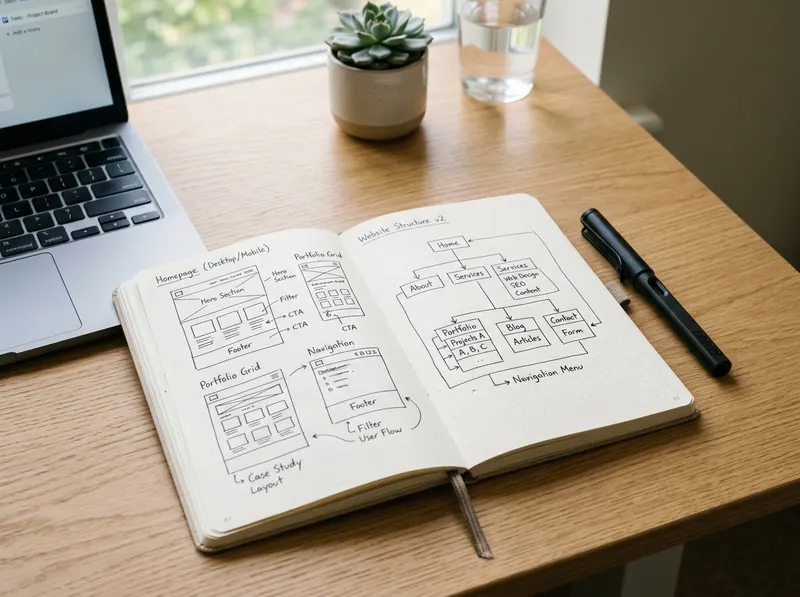
The ideal structure depends on your archive, but most professional military archive websites benefit from the following pages:
- Home
Introduce the archive, feature collection highlights, and signpost search, research, and visiting.
- About the Archive
Explain your history, what you collect, your governance, and the regiments, units, or conflicts you cover.
- Search the Catalog
Give researchers a clear search box, filters, and tips for getting the best results.
- Digitized Collections
Browse digitized war diaries, photographs, maps, and documents by theme or record type.
- Research Guides
Help family historians and researchers understand records, ranks, units, and where to look next.
- Service Records & Requests
Explain which service records you hold, who can apply, any fees, and how to submit a request.
- Visit the Reading Room
Set out opening times, booking, handling rules, access, and what to bring.
- Exhibitions & Oral Histories
Publish online exhibitions, recorded testimonies, and stories from the collection.
- Donate Records or Artifacts
Explain your collecting policy and how families can offer material to the archive.
- Copyright, Reuse & Licensing
Set out rights statements, citation guidance, and how to request image permissions.
- News & Events
Share new accessions, digitization updates, talks, and commemorative events.
- Support the Archive
Invite donations, memberships, volunteering, and sponsorship of digitization work.
- Contact & Enquiries
Provide contact details, a map, directions, and a routed enquiry form.
NSP can create a website architecture around the specific collections, audiences, and research journeys of your archive.
Our Military Archive Website Development Process
We follow a structured process to create a website that reflects your organization and supports its objectives.
Military Archive Website Development & Local SEO
A great-looking website needs to be discoverable when people search for a regiment, a unit, a campaign, or a relative’s service record.
NSP Global Services builds SEO-ready military archive websites with collection-focused content, clear research guides, and technical foundations designed to help search engines understand your archive, its collections, and the history it holds.

Your website can be structured around relevant search intent such as:
Our approach can include technical SEO, collection and research guide pages, internal linking, metadata, archive and collection structured data, image SEO, and content designed around the questions researchers ask.
The goal is to make your collections easier for both researchers and search engines to understand.
AI Search & AEO-Ready Military Archive Websites
Researchers and family historians increasingly use conversational search and AI assistants to ask where records are held, how to request them, and what a unit did during a particular campaign.
For example, a researcher may search:
NSP can structure your website content to provide clear, useful information that helps search engines and AI-powered search systems understand your military archive.
Our approach can include:
- Clear question-and-answer content.
- Search-intent-focused headings.
- Entity-focused website architecture.
- Concise answer sections.
- Location and organization information.
- Relevant structured data.
- Strong internal linking.
- Descriptive service and page content.
- FAQ content based on real questions.
- Mobile-friendly and crawlable website architecture.
- Clear information about collections, access, requests, and reuse.
Rather than creating content solely around keywords, we organize information around the questions people actually ask and the entities associated with your military archive.
How a Military Archive Website Can Turn Visitors Into Researchers & Supporters
A military archive website should guide each visitor toward a clear next step instead of simply displaying information.
We design websites around conversion opportunities such as:

Search the Catalog
Put catalog search on every page so researchers can start looking straight away.
Request a Service Record
Take applicants directly to eligibility, required documents, and the request form.
Book the Reading Room
Let researchers reserve a seat and pre-order documents before they visit.
Order Copies or Images
Provide a clear route to order scans, prints, or licensed images of records.
Ask a Research Question
Route enquiries to the right team with a structured research enquiry form.
Offer a Donation of Material
Help families describe the letters, medals, photographs, or diaries they would like to donate.
Support the Archive
Invite financial gifts, memberships, or sponsorship of digitization projects.
Volunteer with the Archive
Recruit volunteers for cataloging, transcription, and oral history work.
Every important action should be easy to find without requiring visitors to navigate through multiple pages.
Common Problems with Military Archive Websites
Many military archive websites frustrate researchers because collections are hard to search, digitized records are buried, and it is unclear how to request anything.
Common issues include:
- Catalogs that are slow, hidden, or hard to search.
- Digitized records locked inside large PDFs.
- Unclear rules for requesting service records.
- No online booking for the reading room.
- Research guides that are missing or out of date.
- Copyright and reuse terms that are hard to find.
- Broken links when records or pages move.
- Poor mobile experience for researchers on the go.
- Images and audio without alt text, captions, or transcripts.
- Donation guidance that leaves families unsure what to do.
- Staff unable to update content easily.
- Weak visibility for regiment and unit searches.
NSP designs military archive websites around real research journeys, making collections, requests, and visiting information easy to reach while presenting your archive professionally.
Why Choose a Custom Military Archive Website?
A generic website template may cover the basics, but a military archive needs a digital experience built around collection search, digitized records, research requests, and long-term access.
A custom website lets your online presence reflect the care your team puts into preserving and sharing the collection.
How Much Does Military Archive Website Development Cost?
The cost of developing a military archive website depends on the size and complexity of the project. Factors that affect pricing include the number of pages, custom design, the CMS, catalog search and collection database integration, digitized image viewers, request and booking forms, accessibility testing, content migration, and ongoing support.

Starter Military Archive Website
£899
from, one-time
Suitable for smaller archives and associations that need a professional, accessible website with essential pages, collection highlights, visiting information, enquiry forms, and SEO foundations.
Custom Military Archive Website
£1,899
from, one-time
Suitable for established archives that need custom design, catalog search, research guides, request and booking forms, online exhibitions, integrations, and stronger SEO.
Advanced Military Archive Website
£3,899
from, one-time
Suitable for larger archives and digitization projects that need collection database integration, IIIF image viewers, multiple sites, advanced search, or custom functionality.
NSP Global Services can recommend an appropriate website approach based on your goals, audience, and required functionality.
Why Choose NSP Global Services for Military Archive Website Development?
Choosing the right development partner means looking beyond visual design. Your website should support access to your collections, research requests, accessibility, and the long-term care of your digital records.

Collections-Focused Website Strategy
We plan websites around the needs of military archives, their researchers, donors, staff, and volunteers.
Custom UI/UX Design
Your website is designed around your archive’s identity, collections, and the research journeys visitors take most often.
Accessible, Mobile-Friendly Development
We build responsive websites designed and tested against WCAG 2.2 AA guidelines.
Staff-Friendly Content Management
Archivists and volunteers can update pages, guides, exhibitions, and news without technical knowledge.
SEO-Ready Development
We build technical and content foundations that support visibility for collection, regiment, and research searches.
AI-Search-Ready Content
We structure information so search engines and AI assistants can understand your collections, access rules, and services.
Ongoing Website Support
We can provide updates, maintenance, performance monitoring, and improvements as your digitized collections grow.
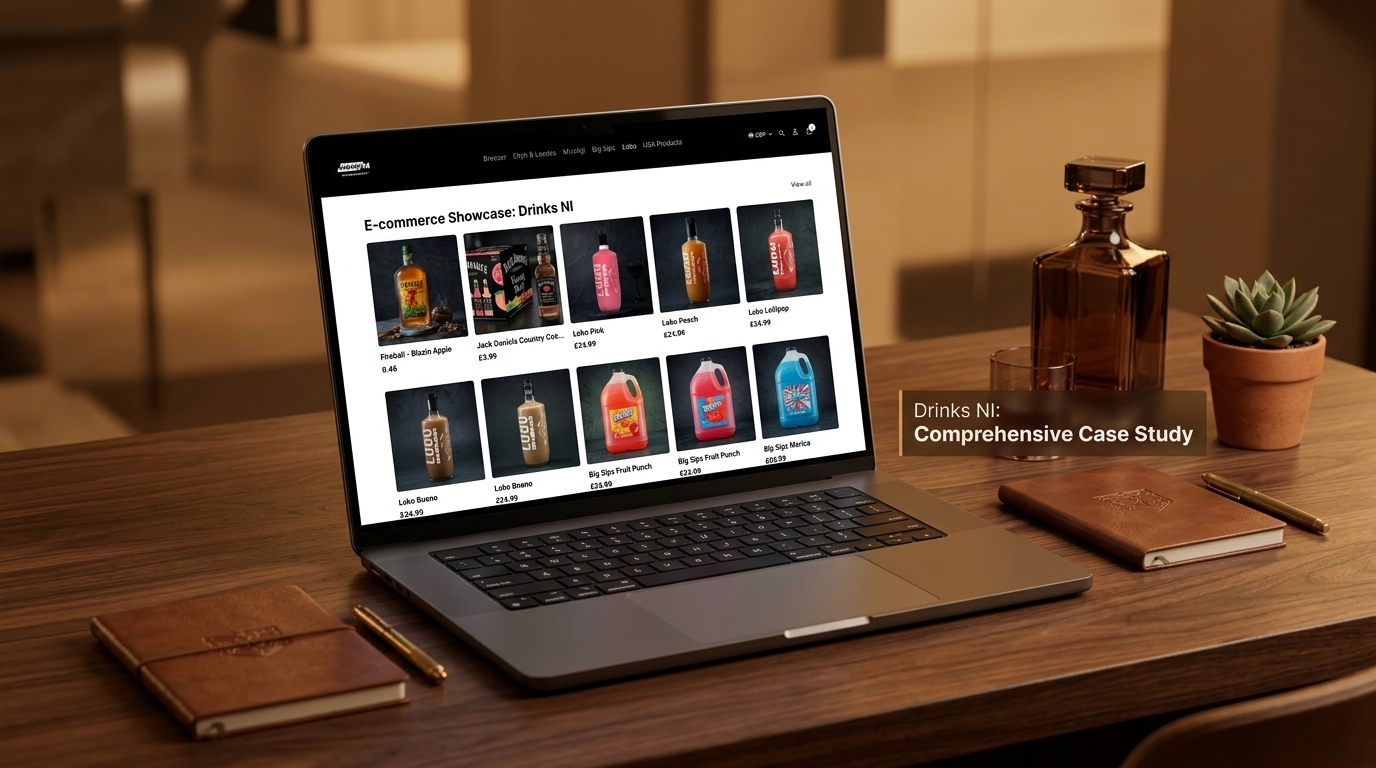
Case Study – DrinksNi
Ecommerce Website Development
NSP Global Services developed a high-performance ecommerce platform for DrinksNi, a digital experience requiring strong product discovery, brand presentation, intuitive navigation, and a conversion-focused customer journey.
Key Development Highlights
The project demonstrates our ability to develop fast, well-structured digital experiences with clear journeys for every visitor. The same approach to clear navigation, fast pages, and advanced filtering and search carries across to military archive websites, where researchers need to find the right record quickly.
What Can a Professional Military Archive Website Help You Achieve?
A strategically developed website can support several important goals:

- Make your collections discoverable to more researchers.
- Increase research enquiries and reading room bookings.
- Reduce repetitive emails and calls to staff.
- Give digitized records a permanent, citable home.
- Improve accessibility for every visitor.
- Share stories from the collection with a wider audience.
- Encourage donations of records and artifacts.
- Recruit volunteers for cataloging and transcription.
- Strengthen your archive’s reputation and identity.
- Provide measurable usage data for funders and trustees.
Your website becomes more than an online brochure—it becomes the public front door to your collections, research services, and the history they preserve.
Frequently Asked Questions About Military Archive Website Development
Give Your Military Archive a Website Researchers Can Rely On
Your collection deserves a website that is as careful, organized, and trustworthy as the work your team does to preserve it.
Whether you manage a regimental museum archive, a service record office, a war-history research center, a veterans’ heritage collection, or a digitization project, NSP Global Services can create a website tailored to your collections, researchers, and staff.
From custom UI/UX design and catalog search to digitized record viewers, request forms, accessibility, SEO, and ongoing support, we can help you build a stronger digital presence for your archive.
Ready to build your military archive website?
Our Other Digital Marketing & Website Services
Build a stronger online presence with NSP Global Services’ related services for archives, museums, and heritage organizations:
Military Archive Web Design
Custom design and development for military and regimental archives.
Museum Marketing
Digital marketing and SEO for museums and heritage collections.
Technical SEO
Help search engines crawl and index large catalogs and collection pages.
Website Redesign
Rebuild an outdated archive website without losing content, links, or rankings.