

Ministry of Education Website Development Services
Custom Websites for Ministries & Departments of Education, Education Boards, Curriculum Authorities & Education Agencies
Create a clear, trustworthy online presence that helps parents, teachers, school leaders, and researchers find policy, guidance, and services quickly. NSP Global Services builds custom websites for national, state, and provincial ministries and departments of education, education boards and districts, curriculum and assessment authorities, and education agencies.
We combine plain-language content design, accessible development, search across large document libraries, school finders, statistics and open data, consultations, multilingual content, and secure, resilient hosting to help every visitor complete the task they came to do.
What Is Ministry of Education Website Development?
Ministry of education website development is the process of designing and building a website for a government body responsible for education policy, funding, standards, or services, such as a national ministry, a state or provincial department of education, or an education agency. A professional ministry of education website brings together policy and guidance, curriculum frameworks, school information, statistics, consultations, funding programs, teacher registration, exam information, and news into one accessible, searchable experience for the public, the education workforce, and partner organizations.
Unlike a corporate website, an education ministry website is built around public tasks: finding a school, checking term dates or exam timetables, reading the latest guidance, applying for funding, registering as a teacher, responding to a consultation, or downloading official statistics. Content has to be accurate, plain, accessible, and easy to find, often in more than one language.

Benefits of Professional Ministry of Education Website Development
A well-designed ministry of education website does more than publish documents. It helps schools act on guidance, gives families reliable answers, reduces avoidable calls and emails, and shows how public education is performing.

- Publish policy and guidance clearly
With HTML-first pages, plain-language summaries, and clear version history instead of long PDFs alone.
- Help families find schools and services
With searchable school directories, admissions information, and term dates by region or district.
- Support school leaders and teachers
With curriculum frameworks, guidance collections, and resources organized by role and topic.
- Make education data easy to use
With statistics releases, interactive dashboards, and downloadable open data in reusable formats.
- Run consultations openly
With consultation pages, online response forms, clear deadlines, and published outcomes.
- Explain funding and grants
With eligibility rules, application windows, allocations, and guidance for schools and providers.
- Meet accessibility obligations
With a website designed and tested against WCAG 2.2 AA and an up-to-date accessibility statement.
- Reach every language community
With translated pages, language switching, and right-to-left layouts where they are needed.
- Stay online at peak times
With hosting and caching planned for results days, admissions deadlines, and closure announcements.
- Reduce avoidable contact
By answering the most common questions from parents, teachers, and schools online.
Why Does a Ministry of Education Need a Professional Website?
Parents, teachers, school leaders, journalists, and researchers all turn to the ministry website when they need an official answer: what the guidance says, when exams take place, how funding is allocated, or which schools serve their area.
A professional ministry of education website organizes this information around what people need to do rather than how the department is structured, so every visitor can find the current, authoritative version quickly and act on it with confidence.

Your website can help the public and the education workforce:
- Find the latest policy, guidance, and circulars.
- Search for schools by location, phase, or type.
- Check term dates, exam timetables, and results days.
- Understand the curriculum and assessment frameworks.
- Apply for funding, grants, or scholarships.
- Register, certify, or renew as a teacher.
- Respond to open consultations.
- Download statistics, reports, and open data.
- Read announcements in their own language.
For a ministry of education, the website is often the single official source that schools, families, and the media rely on, so clarity, accuracy, and availability matter as much as design.
Ministry of Education Website Development for Different Types of Education Bodies
Every education body has its own remit, audiences, and publishing obligations. NSP Global Services creates customized websites based on how your organization actually works and who it needs to serve.
National Ministry & Department of Education Website Development
Publish national policy, guidance, statistics, and announcements on a site structured around public tasks and audiences.
State & Provincial Education Department Website Development
Bring together regional curriculum, school directories, funding programs, and licensing for schools and families in your jurisdiction.
Education Board & School District Website Development
Connect central information with individual school pages, shared calendars, admissions, and board meeting papers.
Curriculum & Standards Authority Website Development
Present curriculum frameworks, learning standards, and teaching resources with clear versioning and browsable subjects.
Examination & Assessment Agency Website Development
Publish exam timetables, specifications, past papers, results information, and appeals guidance, with capacity planned for results days.
Teacher Registration & Standards Body Website Development
Guide teachers through registration, certification, renewal, and professional standards, with links to secure application portals.
Education Statistics & Research Agency Website Development
Release official statistics, dashboards, and research reports with release calendars, methodology notes, and downloadable data.
Higher Education, Skills & Funding Agency Website Development
Explain funding streams, student finance, provider registration, and skills programs for institutions, learners, and employers.
Also see our pages for ministry of education web design, middle school website development, and government education marketing.
Essential Features of a Professional Ministry of Education Website
Your website should make it simple for visitors to find what they need, understand what you offer, and take the next step. Depending on your requirements, we can integrate features such as:
Task-Focused Information Architecture
Organize the site around what people need to do, such as find a school, apply for funding, or check exam dates, rather than around internal teams.
Policy & Guidance Publishing
Publish guidance, circulars, and policy papers as accessible HTML with summaries, attachments, change notes, and clear publication and update dates.
Search Across Large Document Libraries
Help visitors search thousands of documents with filters for topic, audience, document type, and date, plus spelling tolerance and best-bet results.
School Directory & Finder
Let families search for schools by postcode, ZIP code, or district, with filters for phase and type and a profile page for every school.
Statistics, Dashboards & Open Data
Publish statistical releases with interactive charts, accessible data tables, methodology notes, and downloadable CSV files or API access.
Consultations & Public Feedback
Run consultations with summary pages, online response forms, closing dates, supporting documents, and published responses.
Funding, Grants & Scholarships
Explain eligibility, deadlines, allocations, and how to apply, with links to secure application systems where they exist.
Exams, Assessment & Results Information
Publish timetables, assessment frameworks, results-day guidance, and appeals information on pages built to stay available under heavy traffic.
Accessibility & Plain Language
Build to WCAG 2.2 AA with keyboard access, readable contrast, captions, accessible documents, and content written in plain language.
Multilingual Content
Support official and community languages with language switching, linked translations of each page, and right-to-left layouts where required.
Editorial Workflow & Approvals
Give content teams drafts, review stages, sign-off, scheduled and embargoed publishing, and a full revision history.
Security, Hosting & Resilience
Use role-based access, single sign-on, audit logs, a content delivery network, and load testing so the site stays secure and online at peak times.
What Pages Should a Ministry of Education Website Have?
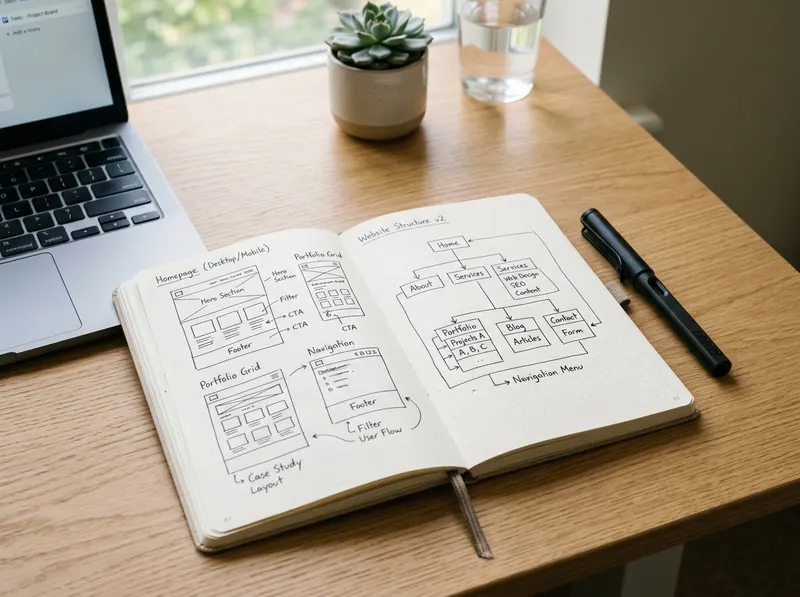
The ideal structure depends on your remit, but most professional ministry of education websites benefit from the following pages:
- Home
Signpost the most common tasks, current announcements, and any urgent notices.
- About the Ministry
Explain your responsibilities, ministers and leadership, structure, and priorities.
- Policy & Guidance
Collect policies, statutory guidance, and circulars by topic, audience, and date.
- Curriculum & Standards
Present curriculum frameworks, learning standards, and subject resources.
- Find a School
Provide a searchable school directory with profiles, contact details, and maps.
- Admissions & Term Dates
Explain how school places are allocated, key deadlines, and official term dates.
- Exams & Assessment
Publish timetables, frameworks, results information, and appeals guidance.
- Teachers & Careers
Cover teacher registration, certification, training routes, and recruitment campaigns.
- Funding & Grants
Set out funding programs, eligibility, allocations, and how to apply.
- Statistics & Research
Host statistical releases, dashboards, open data, and research reports.
- Consultations
List open and closed consultations with documents, response forms, and outcomes.
- News & Press Releases
Publish announcements, speeches, press releases, and media contacts.
- Contact, Accessibility & Transparency
Provide contact routes, the accessibility statement, freedom of information, and privacy details.
NSP can create a website architecture around the specific audiences, services, and publishing obligations of your ministry or department.
Our Ministry of Education Website Development Process
We follow a structured process to create a website that reflects your organization and supports its objectives.
Ministry of Education Website Development & Search Visibility
Most people reach official education information through a search engine, often with a specific question about a school, a deadline, or a piece of guidance. If the official page is hard to find, visitors may rely on outdated copies or unofficial sources instead.
NSP Global Services builds SEO-ready ministry of education websites with clear page titles, well-structured guidance, school and service pages, and technical foundations designed to help search engines recognize your pages as the official source.

Your website can be structured around relevant search intent such as:
Our approach can include technical SEO, descriptive titles and summaries, school and service pages, GovernmentOrganization and Dataset structured data, internal linking, sitemaps, and redirects that keep links to guidance working after a redesign.
The goal is to make official information easier for both the public and search engines to find and trust.
AI Search & AEO-Ready Ministry of Education Websites
Parents, teachers, and journalists increasingly ask conversational search tools and AI assistants about school dates, curriculum changes, and eligibility rules, so official pages need to give clear, current, and quotable answers.
For example, a parent or teacher may search:
NSP can structure your website content to provide clear, useful information that helps search engines and AI-powered search systems understand your ministry or department.
Our approach can include:
- Clear question-and-answer content.
- Search-intent-focused headings.
- Entity-focused website architecture.
- Concise answer sections.
- Location and organization information.
- Relevant structured data.
- Strong internal linking.
- Descriptive service and page content.
- FAQ content based on real questions.
- Mobile-friendly and crawlable website architecture.
- Clear, dated answers about policy, eligibility, deadlines, and contacts.
Rather than creating content solely around keywords, we organize information around the questions people actually ask and the entities associated with your ministry or department.
How a Ministry of Education Website Can Turn Visits Into Completed Tasks
A ministry of education website should help each visitor finish what they came to do, whether that is finding an answer, downloading a document, or starting an application.
We design websites around key tasks such as:

Find a School
Take families straight to a school search by location, phase, or type.
Read the Latest Guidance
Surface current guidance and show clearly what has changed and when.
Check Key Dates
Give quick access to term dates, exam timetables, and results days.
Apply for Funding
Guide schools and providers to eligibility checks and application systems.
Register as a Teacher
Route teachers to registration, certification, or renewal services.
Respond to a Consultation
Make it easy to read proposals and submit a response before the deadline.
Download the Data
Offer statistics, dashboards, and open data files in reusable formats.
Sign Up for Updates
Let schools and the public subscribe to email alerts by topic.
Every important action should be easy to find without requiring visitors to navigate through multiple pages.
Common Problems with Ministry of Education Websites
Many ministry of education websites frustrate visitors because content has grown over many years, guidance sits in unsearchable PDFs, and navigation mirrors the department’s structure instead of public needs.
Common issues include:
- Guidance buried in long, inaccessible PDFs.
- Conflicting versions of the same document.
- Search that cannot find the right page.
- Navigation built around the org chart.
- Accessibility barriers for disabled visitors.
- Pages that slow down or fail on results days.
- Unclear publication and update dates.
- Translations that are missing or out of date.
- Statistics published only as static tables.
- Broken links after past restructures.
- Slow approvals for urgent notices.
- Jargon that parents and the public do not understand.
NSP designs ministry of education websites around real user tasks, making authoritative information easy to find, understand, and act on.
Why Choose a Custom Ministry of Education Website?
A generic website template may cover the basics, but a ministry of education needs a digital service built around public tasks, large content libraries, accessibility obligations, and resilience at peak times.
A custom website lets your ministry present official information with the clarity, consistency, and reliability the public expects from government.
How Much Does Ministry of Education Website Development Cost?
The cost of developing a ministry of education website depends on the size and complexity of the project. Factors that affect pricing include the number of pages and documents, content migration, search, the school finder, statistics and data integrations, consultation tools, multilingual content, accessibility testing, security requirements, hosting, and ongoing support.

Starter Ministry of Education Website
£899
from, one-time
Suitable for smaller education agencies or boards that need an accessible website with essential pages, news, a document library, contact options, and SEO foundations.
Custom Ministry of Education Website
£1,899
from, one-time
Suitable for departments that need custom design, guidance collections, search, a school finder, consultation pages, integrations, and multilingual content.
Advanced Ministry of Education Website
£3,899
from, one-time
Suitable for national or state ministries that need large-scale content migration, statistics dashboards, editorial workflows, advanced integrations, or custom functionality.
NSP Global Services can recommend an appropriate website approach based on your goals, audience, and required functionality.
Why Choose NSP Global Services for Ministry of Education Website Development?
Choosing the right development partner means looking beyond visual design. Your website should support public trust, accessibility obligations, efficient publishing, and your policy and communications goals.

Public-Sector Website Strategy
We plan websites around the tasks of parents, teachers, school leaders, researchers, and the media.
Plain-Language Content Design
We help your teams turn complex policy into clear, structured pages people can understand and act on.
Accessible, Mobile-Friendly Development
We build responsive websites designed and tested against WCAG 2.2 AA, and can work to Section 508 and UK public sector accessibility requirements.
Editor-Friendly Publishing Workflows
Editors and approvers get clear roles, review stages, scheduling, and revision history.
SEO-Ready Development
We build technical and content foundations that help official pages appear clearly in search.
AI-Search-Ready Content
We structure guidance, dates, and eligibility rules so search engines and AI assistants can understand them.
Ongoing Support & Monitoring
We can provide maintenance, security updates, uptime monitoring, and improvements, including extra checks before peak days.

Case Study – DrinksNi
Ecommerce Website Development
NSP Global Services developed a high-performance ecommerce platform for DrinksNi, a digital experience requiring strong product discovery, brand presentation, intuitive navigation, and a conversion-focused customer journey.
Key Development Highlights
The project demonstrates our ability to develop fast, well-structured digital experiences with clear journeys for every visitor. The same approach to clear navigation, fast pages, and well-structured content carries across to ministry of education websites, where large audiences need to find the official answer quickly.
What Can a Professional Ministry of Education Website Help You Achieve?
A strategically developed website can support several important goals:

- Help the public find official information faster.
- Reduce avoidable calls and emails to your contact center.
- Improve accessibility for every visitor.
- Keep schools informed of new and changed guidance.
- Increase participation in consultations.
- Make education data easier to find and reuse.
- Stay available on results days and deadlines.
- Reach families in every language community.
- Support teacher recruitment and registration.
- Provide measurable insight into what visitors need.
Your website becomes more than a document store—it becomes the trusted front door to your ministry’s policy, services, and data.
Frequently Asked Questions About Ministry of Education Website Development
Give Your Ministry a Website the Public Can Trust
Your ministry deserves a website that is as clear, accurate, and dependable as the guidance it publishes.
Whether you run a national ministry, a state or provincial department of education, an education board, or a curriculum, assessment, or teacher standards agency, NSP Global Services can create a website tailored to your remit, audiences, and publishing teams.
From plain-language content design and accessible development to search, school finders, statistics, multilingual content, and ongoing support, we can help you build a stronger digital service for education.
Ready to build your ministry or department website?
Our Other Digital Marketing & Website Services
Build a stronger online presence with NSP Global Services’ related services for government and education organizations:
Ministry of Education Web Design
Custom design and development for education ministries and departments.
Government Agency Marketing
Digital marketing and SEO for government agencies and public bodies.
Technical SEO
Improve crawling, indexing, and site structure for large content libraries.
Website Maintenance
Keep your website secure, updated, and monitored after launch.