

Alcohol SEO / Comparison Content
How Alcohol Brands Can Use Comparison Content to Capture High-Intent Searches
Written By Nishi Singh • Last Update Oct 26, 2026
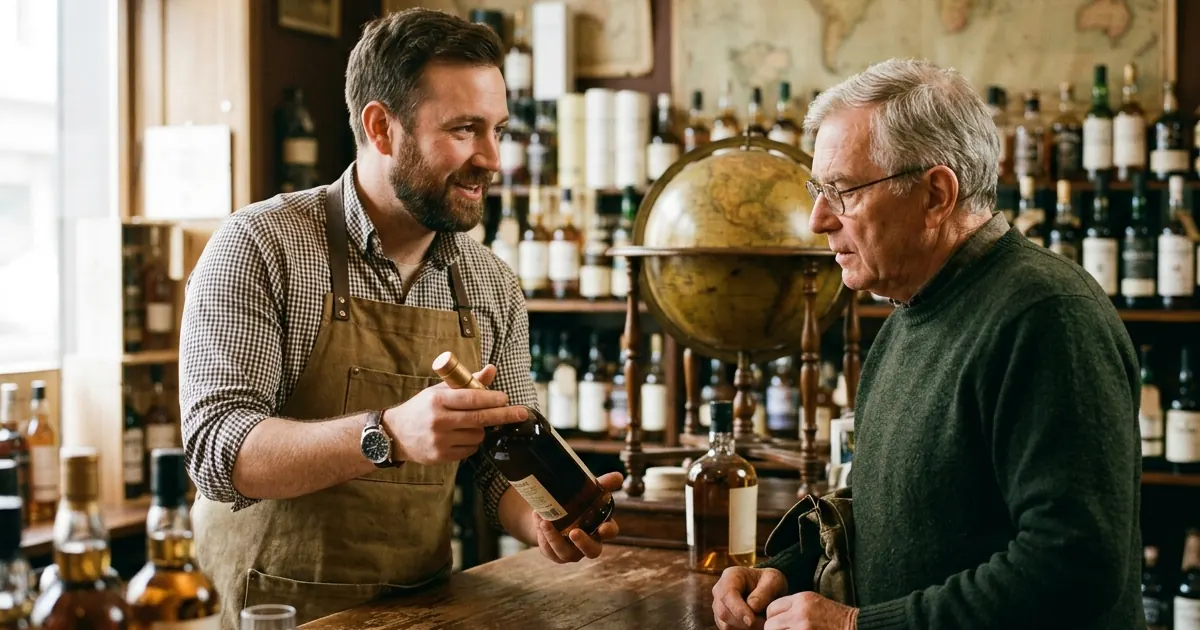
Alcohol consumers often research product differences before deciding which products to explore. Searches such as “whisky vs bourbon,” “gin vs vodka,” and “craft beer vs lager” reflect specific information needs and provide opportunities for alcohol brands to answer relevant questions through useful, search-optimised content.
Comparison content helps alcohol brands improve organic search visibility by explaining product differences, answering specific user questions, and connecting relevant information to product and category pages. When supported by accurate information, keyword research, and a well-structured website, comparison articles can strengthen an alcohol brand’s SEO strategy and help users navigate product information more easily.
At NSP Global Services, we help businesses develop alcohol SEO strategies through keyword research, content optimisation, technical SEO, and internal linking. In this guide, we explain how alcohol brands can use comparison content to address search intent and improve their online visibility across traditional search engines and AI-powered search experiences.
What Is Comparison Content in Alcohol SEO?
Comparison content in alcohol SEO explains the differences between two or more alcoholic beverage categories, products, or styles. It helps readers understand relevant characteristics, including ingredients, production methods, product classifications, flavour profiles, and other verifiable attributes.
For example, an article comparing whisky and bourbon can explain how bourbon differs from other types of whisky in terms of its legal production requirements, grain composition, and maturation rules. Similarly, a gin-versus-vodka comparison can explain differences in defining production requirements and botanical flavouring.
Effective comparison content should be factual, balanced, and easy to understand. Rather than making unsupported claims about which product is better, brands should explain the relevant differences and help readers interpret the available information.
For alcohol brands, comparison content can support several digital marketing objectives:
- Addressing specific informational search queries.
- Building topical relevance around beverage categories and product characteristics.
- Improving internal navigation to relevant product and category pages.
- Supporting alcohol content marketing through useful, audience-focused resources.
- Creating opportunities for visibility in search results and AI-generated answers.
Why Is Comparison Content Important for Alcohol Brands?
Comparison searches reveal that users want to understand the differences between specific products or categories. This makes them useful opportunities for brands to provide detailed, relevant information.
However, comparison searches do not always indicate an immediate intention to purchase. Some users are researching definitions, production methods, or product characteristics, while others may be evaluating available options. Effective content should address the actual intent behind each query.
1. Target Specific Search Intent
Broad keywords such as “whisky” or “wine” can represent many different information needs. Comparison keywords are often more specific because they identify two subjects the searcher wants to understand.
Examples include:
- Whisky vs bourbon: production requirements and defining characteristics.
- Gin vs vodka: differences in production and botanical ingredients.
- Craft beer vs lager: distinctions between brewing approaches and beer styles.
- Red wine vs white wine: grape varieties and winemaking methods.
By researching these queries, alcohol brands can identify opportunities to create content that answers specific questions rather than relying exclusively on broad category keywords.
2. Build Topical Authority
A collection of well-researched comparison articles can help establish a website as a useful source of information about relevant beverage categories.
For example, a wine brand could publish related resources explaining grape varieties, winemaking processes, wine classifications, and differences between red and white wine. These articles can be connected through relevant internal links to create a coherent content structure.
Topical coverage alone does not guarantee higher rankings. Content quality, search intent, website accessibility, competition, and other SEO factors remain important.
3. Improve Website Navigation
Comparison articles can guide readers towards related resources when they need more detailed information.
For example, an article explaining different wine categories could link to relevant educational resources or product category pages, where appropriate. Clear internal linking helps users navigate the website and helps search engines discover relationships between pages.
4. Support Relevant Business Enquiries
Informational content can introduce potential customers to a brand's expertise and website resources. When readers need additional information, relevant links can help them explore suitable pages.
For B2B alcohol businesses, distributors, or service providers, comparison content may also support enquiries when it answers questions relevant to their business audience. The results depend on the audience, search demand, content quality, and the relevance of the next step offered.
How to Choose the Right Keywords for Alcohol Comparison Content
Keyword research is the foundation of an effective comparison content strategy. Alcohol brands should identify the phrases people use, understand what those searches mean, and prioritise topics that align with the website's products and business objectives.
Start with Product Comparison Keywords
Begin by identifying relevant beverage categories, product types, and common comparisons within the brand's market.
Potential keyword ideas include:
- Whisky vs bourbon
- Gin vs vodka
- Craft beer vs lager
- Red wine vs white wine
- Different types of whisky
- Differences between beer styles
- Alcohol product comparison guide
These are starting points for research, not verified high-volume keywords. Validate search demand, competition, regional terminology, and search intent using keyword research tools before prioritising topics.
Include Question-Based Search Queries
Question-based keywords can help brands identify opportunities for answer-focused content.
Examples include:
- What is the difference between whisky and bourbon?
- How does gin differ from vodka?
- What distinguishes lager from other beer styles?
- What should an alcohol comparison guide include?
- How can alcohol brands improve their search visibility?
Use the questions that are relevant to the brand's audience and products. Avoid creating multiple articles that answer essentially the same question unless each page serves a distinct search intent.
Map Keywords to the Correct Pages
Different keyword groups serve different purposes. Informational comparison queries generally fit blog articles, while commercially focused service keywords usually belong on dedicated service pages.
| Keyword | Suggested page type | Search intent |
|---|---|---|
| Whisky vs bourbon | Educational blog | Informational |
| Gin vs vodka | Comparison article | Informational |
| Alcohol content marketing | Service page or educational guide | Informational / Commercial |
| Alcohol SEO services | Dedicated service page | Commercial |
| Alcohol eCommerce SEO | Dedicated service page or specialist guide | Commercial |
| Alcohol brand SEO strategy | Blog or service resource | Informational / Commercial |
For NSP Global Services, this separation is particularly important. The comparison-content blog should explain the topic comprehensively, while the dedicated alcohol SEO service page should focus on service offerings, capabilities, and business enquiries.
How to Create SEO-Friendly Alcohol Comparison Content
Once suitable topics have been identified, brands need to create content that answers questions accurately, uses a clear structure, and provides useful information without unnecessary repetition.
1. Write Clear and Balanced Comparisons
A comparison article should explain the defining characteristics of each product or category before discussing their differences.
For example, a whisky-versus-bourbon article should explain that bourbon is a type of American whiskey subject to specific legal production requirements. It should not imply that whisky and bourbon are entirely unrelated categories.
Similarly, gin-versus-vodka content should distinguish between their defining production requirements and the role of botanicals in gin. Statements about flavour should be appropriately qualified because individual products can differ.
A useful comparison should:
- Define each category clearly.
- Explain meaningful similarities and differences.
- Use accurate and verifiable information.
- Avoid unsupported superiority claims.
- Distinguish legal definitions from general tasting descriptions.
- Cite reliable sources when discussing technical or regulatory details.
Balanced comparisons help readers understand the subject without relying on exaggerated marketing language.
2. Use Comparison Tables to Present Key Differences
Comparison tables help readers scan important details quickly. They can also make information easier to understand when the categories being compared have several distinct characteristics.
For example:
| Comparison factor | Whisky | Bourbon |
|---|---|---|
| Category | A broad family of distilled spirits | A specific type of American whiskey |
| Grain composition | Varies by whisky style and applicable regulations | Must contain at least 51% corn in the grain mash |
| Production location | Depends on the whisky category | Must be produced in the United States |
| Maturation requirements | Vary by category and jurisdiction | Must be aged in new, charred oak containers under applicable US requirements |
| Other requirements | Depend on the relevant style and legal framework | Must meet applicable US bourbon standards |
The table provides a simplified overview. Specific legal requirements can vary by product designation, and additional rules may apply. Brands should verify regulatory statements against authoritative sources before publication.
Use tables when they improve understanding, rather than adding them solely for search optimisation.
3. Structure Content with Descriptive Headings
Clear headings help readers locate information and allow search systems to interpret the page's organisation.
A useful heading structure for a comparison article might include:
- What Is the Difference Between Whisky and Bourbon?
- How Do Their Production Requirements Differ?
- What Ingredients Are Used?
- What Are Their Defining Characteristics?
- What Should Readers Know About Their Classifications?
- Frequently Asked Questions
Use one clear H1 for the main article title, H2 headings for major sections, and H3 headings for relevant subsections. Each heading should accurately describe the content that follows.
4. Add Relevant Internal Links
Internal linking connects comparison content to other useful pages on the website.
For example, a relevant comparison article could link to:
- Related beverage category pages.
- Educational articles about ingredients or production.
- Relevant product information pages, where permitted.
- The brand's main alcohol SEO service page, if the article discusses SEO services.
For NSP Global Services, contextual links to alcohol SEO services, alcohol content marketing, alcohol eCommerce SEO, and alcohol brand entity SEO resources can help readers explore related topics.
Use descriptive anchor text that reflects the destination page. Avoid excessive exact-match anchors or links that do not add value.
5. Optimise Page Titles and Meta Descriptions
A descriptive title helps readers understand what an article covers. The meta description should summarise the page accurately and communicate its relevance.
For comparison-focused articles, include the main topic naturally and avoid promising results that the content cannot substantiate.
How Can Alcohol Brands Optimise Comparison Content for GEO and AEO?
Traditional SEO, Answer Engine Optimization (AEO), and Generative Engine Optimization (GEO) overlap in their emphasis on useful information, clear structure, and accessible website content.
SEO helps search engines discover, understand, and rank pages. AEO focuses on making direct answers to questions easy to identify. GEO focuses on making information understandable and useful in generative AI search experiences.
Although these approaches share common principles, none guarantees inclusion in a featured answer or AI-generated response.
Use Answer-First Content
Start important sections with a direct response to the question before adding examples or background information.
For example:
How does comparison content help alcohol brands improve SEO?
Comparison content can help alcohol brands target specific informational searches by explaining differences between products and beverage categories. Accurate explanations, descriptive headings, relevant internal links, and well-organised content can improve discoverability and help users find relevant information.
This structure gives readers an immediate answer while providing additional context for those who want more detail.
Use Consistent Terminology
Explain technical terms when they first appear and use them consistently throughout the article.
For example, distinguish between a beverage category, a production method, a legal designation, and a flavour description. These terms may overlap in everyday language but do not necessarily mean the same thing.
Consistent terminology reduces ambiguity and helps readers understand the information accurately.
Include Credible Sources and Verifiable Facts
Content that discusses beverage classifications, production rules, or advertising restrictions should be supported by reliable references.
Depending on the topic, appropriate sources may include official regulatory authorities, recognised industry organisations, and primary technical documentation.
Cite sources near the claims they support. Avoid unsupported statistics, invented expert opinions, and claims about search performance that cannot be verified.
Make Important Information Accessible
Ensure that the main text, headings, tables, and relevant links are accessible to users and can be discovered by search engines.
Useful practices include:
- Using descriptive page titles and headings.
- Keeping important information in accessible page content.
- Providing meaningful image alt text where images add informational value.
- Maintaining a logical internal linking structure.
- Ensuring the page is indexable and works well on mobile devices.
- Using accurate structured data where appropriate.
AI search systems differ in how they retrieve and present information. There is no single markup format or content formula that guarantees an AI citation.
How to Measure the Performance of Alcohol Comparison Content
Publishing a comparison article is only the beginning. Alcohol brands should monitor its performance and make improvements based on evidence rather than assumptions.
Track Organic Search Performance
Google Search Console can help identify the queries for which a page receives impressions and clicks. Monitor changes in impressions, clicks, click-through rate, and average position over time.
Review whether the article is appearing for relevant comparison searches and whether the queries match the intended topic.
Evaluate Visitor Engagement
Use an analytics platform to assess whether visitors continue to relevant pages, engage with the content, or complete meaningful actions.
Useful indicators may include:
- Engagement with the article.
- Visits to relevant product or category pages.
- Clicks on contextual internal links.
- Qualified business enquiries, where applicable.
- Conversions attributable to organic search.
Interpret these metrics in context. A high number of page views does not necessarily indicate strong commercial performance.
Update Content When Necessary
Review comparison articles when product information changes, regulations are updated, important sources become outdated, or search behaviour shifts.
Updates should improve accuracy, usefulness, and relevance. Avoid changing publication dates or rewriting sections without a clear reason simply to make a page appear fresh.
For NSP Global Services, a structured content review process can help clients identify gaps, refine existing pages, and align new content with relevant search opportunities.
How NSP Global Services Helps Alcohol Brands Improve SEO
NSP Global Services supports businesses seeking to strengthen their online visibility through structured SEO strategies and relevant content optimisation.
Our approach to alcohol SEO can include:
1. Keyword research and search-intent analysis: Identifying relevant search queries and mapping them to suitable content and service pages.
2. Content strategy and optimisation: Developing clear, useful content that answers audience questions and supports relevant topical coverage.
3. On-page SEO: Improving headings, title tags, meta descriptions, content structure, and other relevant page elements.
4. Internal linking: Connecting related resources to improve website navigation and help search engines discover relevant pages.
5. Technical SEO: Reviewing crawlability, indexability, site structure, and other technical factors that affect search accessibility.
6. Performance monitoring: Evaluating organic search performance and identifying opportunities for evidence-led improvements.
For businesses operating in alcohol-related markets, SEO strategies must also account for applicable advertising laws, platform policies, age restrictions, and market-specific requirements. Content should be accurate, responsible, and compliant with the rules relevant to the business and its audience.
Looking to improve your alcohol brand's organic search visibility? Explore NSP Global Services' alcohol SEO services to identify content opportunities and develop a search strategy aligned with your website, target market, and business objectives.
Conclusion
Comparison content provides alcohol brands with an opportunity to answer specific questions, explain meaningful product differences, and improve the discoverability of useful website resources.
An effective strategy combines search-intent research, accurate explanations, clear headings, comparison tables, contextual internal links, and regular performance reviews. GEO and AEO principles can further improve the clarity and accessibility of the information, making it easier for readers and search systems to interpret.
For alcohol brands, the goal should not be to publish comparisons simply to target keywords. It should be to provide reliable information that addresses genuine questions and fits naturally within a broader SEO strategy.
NSP Global Services helps businesses plan and optimise content, improve website structure, and develop alcohol SEO strategies designed to support sustainable organic search visibility.
Frequently Asked Questions
1. What is comparison content in alcohol SEO?
Comparison content in alcohol SEO explains the differences between two or more alcoholic beverage categories or products. It can cover ingredients, production methods, legal classifications, and defining characteristics to answer specific informational search queries.
2. How can comparison articles help alcohol brands attract organic traffic?
Comparison articles can attract relevant organic traffic by answering specific questions people search for when researching products or beverage categories. Their performance depends on search demand, content quality, competition, website accessibility, and how well the article matches the user's intent.
3. Which comparison keywords should alcohol brands target?
Alcohol brands can research terms such as “whisky vs bourbon,” “gin vs vodka,” and questions about ingredients, production methods, and beverage classifications. The final keyword selection should reflect the brand's products, target audience, regional search behaviour, and verified search-demand data.
4. How should alcohol brands structure comparison content for SEO?
Alcohol brands should use a descriptive title, a clear introduction, logically organised headings, accurate explanations, relevant comparison tables, and contextual internal links. Technical or regulatory claims should be supported by reliable sources.
5. What is the difference between SEO, AEO, and GEO for alcohol brands?
SEO helps websites become discoverable through search engines. AEO focuses on providing clear answers to specific questions, while GEO focuses on making content understandable and useful in generative AI search experiences. These approaches overlap and benefit from accurate, accessible, well-organised content.
6. Can comparison content support alcohol eCommerce SEO?
Yes. Comparison content can support alcohol eCommerce SEO by answering informational questions and linking users to relevant product or category pages where appropriate. Its effectiveness depends on the relevance of the content, website structure, search intent, and applicable marketing restrictions.
7. How often should alcohol brands update comparison articles?
There is no fixed update schedule. Brands should review articles when product specifications, regulatory requirements, source material, or relevant search trends change. Updates should improve accuracy and usefulness rather than simply change the publication date.
8. How can NSP Global Services help with alcohol SEO?
NSP Global Services can support alcohol SEO through keyword research, content strategy, on-page optimisation, internal linking, technical SEO, and performance monitoring. The strategy should be tailored to the business's website, market, objectives, and applicable advertising requirements.

Nishi Singh
(Content Writer & SEO Manager)
NSP Global Services is a leading digital marketing agency specialising in SEO, content strategy, and paid advertisements — helping businesses across SaaS, B2B, and e-commerce achieve measurable growth online.
Posted on: Oct 26, 2026