
Alcohol SEO / Entity SEO
Alcohol Brand Entity SEO: How to Help Google Understand Your Brand, Products & Expertise
Written By Nishi Singh • Last Update Oct 26, 2026
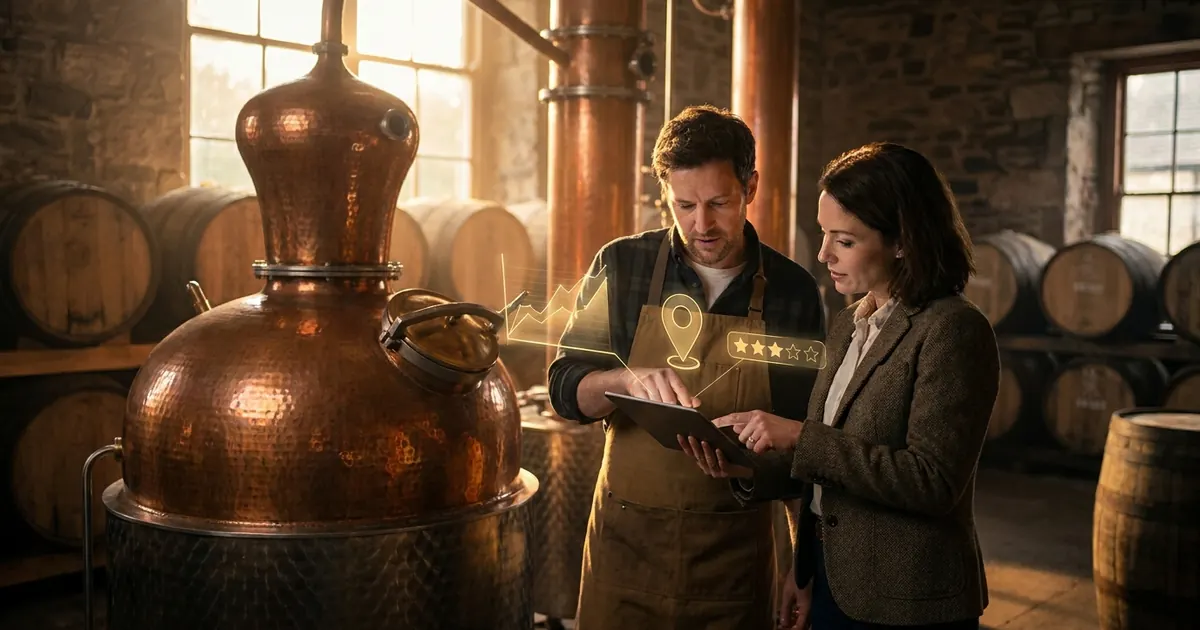
In today's competitive alcoholic beverages market, ranking for relevant keywords is only one part of building a strong online presence. Alcohol brands also need to communicate clearly who they are, what products they offer, and how their business relates to relevant product categories, manufacturers, and industry topics.
This is where alcohol brand entity SEO becomes important. By combining consistent brand information, well-optimised product pages, structured data, relevant content, and credible online references, businesses can help search engines better understand their brands and products.
At NSP Global Services, we help businesses strengthen their online presence through technical SEO, content optimisation, e-commerce SEO, and strategic brand visibility improvements. Our approach focuses on building a reliable SEO foundation that supports discoverability across traditional search engines and evolving AI-powered search experiences.
In this guide, we explain what alcohol brand entity SEO is, why it matters, and how alcohol brands can implement practical strategies to improve their online visibility.
What Is Alcohol Brand Entity SEO?
Alcohol brand entity SEO is the process of helping search engines understand an alcohol brand as a distinct business or brand, identify its products, and recognise the relationships between its website, business information, product categories, and relevant industry topics.
An entity can represent a clearly identifiable business, brand, product, person, or other concept. Search engines use information from web pages and other sources to interpret these entities and their relationships.
For example, a wine brand may be associated with its parent company, wine varieties, production region, official website, and distribution channels. When these relationships are described accurately and consistently, search engines have clearer information about the brand.
Entity SEO goes beyond placing keywords on a page. It focuses on establishing a coherent, reliable picture of a business through useful content, consistent information, internal linking, appropriate structured data, and credible references.
Alcohol brand entity SEO helps businesses organise and communicate information about:
- Brand identity: The official brand name, business background, website, and relevant company details.
- Product information: Product names, beverage categories, ingredients or composition where applicable, specifications, and origin.
- Business relationships: Relevant connections between the brand, parent company, manufacturer, and product lines.
- Industry expertise: Useful information about production methods, product categories, quality standards, and relevant industry practices.
- Online presence: Consistent information across the official website and credible external sources.
The objective is to make brand information clearer, more consistent, and easier for search engines and potential customers to interpret.
Why Is Entity SEO Important for Alcohol Brands?
The alcoholic beverages industry includes wineries, breweries, distilleries, spirits brands, beverage manufacturers, distributors, and online retailers. Each business competes for relevant searches related to its brand, products, categories, and expertise.
A well-structured entity SEO strategy can help these businesses establish a clearer digital identity and improve the accessibility of important information.
1. Strengthen Brand Search Visibility
Customers may search for a brand by name, a specific beverage, a product variety, or a combination of brand and product terms.
Clear brand information and well-organised pages can help search engines identify the most relevant pages for these searches.
For example, a spirits brand can maintain separate, informative pages for its brand story, individual products, product collections, and manufacturing information where relevant.
2. Help Search Engines Connect Products With Their Brands
Product information should make the relationship between a product and its associated brand clear.
A dedicated product page should use consistent naming and provide accurate details about the product, its category, and its manufacturer where applicable.
This approach supports better website organisation and helps users distinguish between similar products.
3. Build Topical Relevance and Expertise
Search engines need useful information to understand what a website covers.
Alcohol brands can develop relevant content about their product categories, ingredients, production methods, geographic origins, packaging, and quality standards. When this information is accurate, original, and well organised, it can support the website's relevance to related topics.
4. Support Discoverability Across AI-Powered Search
AI-powered search experiences may draw on relevant web content to answer questions about products, businesses, and industries.
Clear explanations, consistent product information, accessible pages, and useful supporting content can help search systems interpret the information available on a brand's website.
However, entity SEO does not guarantee inclusion in Google AI Overviews, AI Mode, or other AI-generated answers.
5. Create a Stronger Foundation for E-Commerce SEO
For alcohol e-commerce businesses, entity optimisation works alongside product-page SEO, category organisation, technical SEO, internal linking, and accurate inventory information.
A clear site structure helps customers navigate the catalogue while making product relationships easier for search engines to interpret.
How to Help Google Understand Your Alcohol Brand
Building a strong alcohol brand entity involves several connected SEO activities. The following steps provide a practical framework for alcohol businesses.
1. Establish a Clear and Consistent Brand Identity
Your website should explain who your brand is, what it offers, and how it operates.
Start by creating a comprehensive About page that includes relevant details such as:
- Official brand and business name.
- Company history and brand background.
- Product categories and specialisations.
- Manufacturing or production information, where applicable.
- Geographic presence and relevant business locations.
- Official website and contact information.
- Parent company or manufacturer details, where relevant.
Use consistent business information across your website, official social profiles, and appropriate industry directories.
Avoid using different brand names, company descriptions, or website details across platforms unless there is a legitimate reason, such as a separate legal entity or regional brand identity.
SEO tip: Make your brand identity easy to understand without requiring search engines or visitors to infer important details from unrelated pages.
2. Optimise Alcohol Product and Category Pages
Product pages are essential for alcohol brands because they communicate what the business offers and answer questions about individual products.
Each product should have accurate, useful information rather than a generic description copied across multiple pages.
Depending on the product and applicable regulations, include:
- Product and brand name.
- Beverage category and relevant product variety.
- Ingredients or composition, where appropriate.
- Origin and production information, where verified.
- Product specifications and packaging details.
- Manufacturer or producer information, where applicable.
- Product images with descriptive alternative text.
- Availability and applicable purchase information.
- Relevant age, delivery, and regional restrictions for online sales.
For example, a winery should distinguish between its individual wine products and provide the appropriate details for each one. A distillery should clearly differentiate its product lines rather than relying on repeated descriptions.
Use descriptive page titles, relevant headings, unique meta descriptions, and contextual internal links to support product discovery.
3. Implement Appropriate Structured Data
Structured data provides information in a format that search engines can interpret. It can help describe the business, website, products, and articles published on your website.
Alcohol brands should select schema types according to the actual content of each page.
Relevant structured data types include:
- Organization: For describing the business or organisation behind a brand.
- Product: For eligible product pages where the markup accurately represents the product and page content.
- BreadcrumbList: For representing the hierarchy of a page within the website.
- Article or BlogPosting: For describing educational articles and blog posts.
- WebSite: For providing relevant information about the website.
Where supported and appropriate, use properties and identifiers to express genuine relationships between the brand, business, and products.
For example, an individual product page may identify the relevant brand or manufacturer when that relationship is accurate and supported by the page content.
Follow Google's structured data requirements, validate the markup, and ensure that it matches the information visible to users.
Important: Schema markup does not independently guarantee higher rankings, a Google Knowledge Panel, rich results, or AI-generated mentions. It is one component of a broader SEO strategy.
4. Create Helpful Content That Demonstrates Expertise
Alcohol brands should publish content that answers relevant questions and provides useful information about their products and industry.
Rather than publishing multiple articles that repeat similar keywords, develop content around distinct user needs.
Examples include:
- How different beverage categories are produced.
- What ingredients or materials are used in a product.
- How production regions influence relevant product characteristics.
- What customers should know about product specifications.
- How packaging, storage, or quality-control processes work.
- What businesses should consider when selecting products for distribution.
- What regulations and responsible-consumption requirements apply in a relevant market.
Support factual statements with reliable sources, and distinguish verified product information from opinions or promotional claims.
Link educational articles to relevant category, brand, or product pages when the connection is genuinely useful.
This approach can help establish a more coherent topic structure while giving visitors useful information beyond basic product descriptions.
5. Build Credible Brand Authority
Search engines can encounter information about a brand across many sources. Relevant third-party references may help corroborate information about the business and its products.
Alcohol brands can strengthen their external presence by:
- Securing legitimate editorial coverage in relevant publications.
- Participating in relevant industry events and associations.
- Publishing original research or expert commentary where appropriate.
- Maintaining accurate business profiles on relevant platforms.
- Earning natural references from credible industry websites.
- Keeping official company and product information consistent.
Prioritise genuine relevance and editorial quality rather than purchasing low-quality backlinks or creating artificial brand mentions.
External references should support the real identity and expertise of the business. No individual mention or backlink guarantees a particular ranking outcome.
How to Optimise Alcohol Brands for AI Search and Google AI Overviews
Generative Engine Optimisation (GEO) focuses on improving the clarity, usefulness, and accessibility of content so that it can be understood and potentially referenced by AI-powered search and answer systems.
For alcohol brands, GEO should complement established SEO practices rather than replace them.
1. Answer Important Questions Directly
Use clear headings that reflect the questions your audience actually asks.
For example:
- What products does the brand offer?
- Where are the products manufactured?
- What distinguishes the different product varieties?
- What ingredients or materials are used?
- Where is product information available?
- What restrictions apply to online purchases in the relevant market?
Provide a concise, direct answer near the beginning of each section, followed by supporting details where necessary.
2. Make Brand and Product Information Easy to Verify
Keep essential information accessible as text rather than relying exclusively on images or decorative graphics.
Ensure product names, brand relationships, manufacturing information, and specifications are consistent across the pages where they appear.
If product details change, update the relevant pages and structured data accordingly.
3. Build Connected Topic Clusters
Organise content into related groups that reflect your business expertise.
For example, a wine business may have a main wine collection page, individual product pages, a brand story, and educational articles about production and grape varieties.
Use contextual internal links to connect these resources, helping visitors move between related subjects.
4. Demonstrate First-Hand Knowledge
Where appropriate, include original insights from the business, verified production details, expert commentary, and relevant examples.
Avoid generic articles that repeat widely available information without providing additional value.
Accurate authorship, editorial review, reliable sourcing, and transparent business information can strengthen the credibility and usefulness of the content.
5. Maintain Technical Accessibility
Review important pages for crawlability, indexability, internal links, canonical tags, and mobile usability.
Do not unintentionally block important pages or resources that search engines need to access.
These practices support traditional SEO and help establish a sound technical foundation for AI-powered search discovery.
Can GEO guarantee visibility in Google AI Overviews?
No. GEO practices can improve content clarity and support discoverability, but there is no guaranteed method of securing a citation or mention in an AI-generated answer. Continue to prioritise helpful content, reliable information, and established technical SEO fundamentals.
How Alcohol E-Commerce SEO Supports Brand Entity Visibility
Alcohol e-commerce websites often contain numerous products, categories, variants, and region-specific purchasing requirements. A clear website structure is therefore essential for both usability and search visibility.
Organise Product Categories Clearly
Group products into meaningful categories based on the actual catalogue. Avoid creating unnecessary category pages that contain little unique information or duplicate other pages.
Each category page should explain what the category contains and help users navigate to relevant products.
Improve Product Information and Internal Linking
Use unique product descriptions and accurate specifications. Link product pages to their relevant categories and brand pages using descriptive anchor text.
Where product variants exist, select a consistent approach to URLs, canonicalisation, and product information to avoid unnecessary duplication.
Keep Availability and Restrictions Accurate
For online alcohol sales, clearly communicate applicable age-verification requirements, delivery areas, stock availability, and regional restrictions.
Requirements vary by jurisdiction. Businesses should ensure that their website and purchasing processes comply with the laws applicable to their operations and target markets.
Monitor Technical SEO
Regularly check for:
- Broken internal links.
- Duplicate or missing metadata.
- Incorrect canonical tags.
- Important pages that are not indexed.
- Outdated product information.
- Structured data errors.
- Poor mobile usability and slow page experiences.
These activities help maintain a more accessible, organised, and informative e-commerce website.
How to Measure Alcohol Brand Entity SEO Performance
Entity SEO should be evaluated through multiple indicators rather than a single ranking or visibility metric.
1. Brand Search Performance
Use Google Search Console to monitor impressions, clicks, click-through rates, and queries containing your brand name.
Review whether important brand and product pages are receiving relevant organic search visibility.
2. Product and Category Performance
Measure organic traffic to product and category pages, identify high-performing content, and find pages that need better information or stronger internal links.
3. Technical SEO Health
Review indexing, crawlability, structured data validation, canonicalisation, and internal linking. Resolve issues that prevent important pages from being discovered or interpreted correctly.
4. Brand Information Consistency
Periodically review the brand's official website, business profiles, and credible third-party references. Correct outdated or conflicting information where possible.
5. Qualified Traffic and Conversions
Track meaningful outcomes such as relevant enquiries, distributor enquiries, qualified organic visits, and other business conversions that are appropriate for your business model and local regulations.
6. AI Search Visibility
Where reporting is available, review referrals and performance from relevant AI-powered search experiences. You can also periodically assess how your brand appears in important informational and category-related searches.
Treat manual AI visibility checks as directional observations rather than definitive rankings because generated answers may vary by query, location, and time.
Common Alcohol Brand Entity SEO Mistakes to Avoid
Even a well-designed SEO strategy can be weakened by inconsistent information or poor implementation.
Avoid these common mistakes:
1. Keyword stuffing: Repeating terms such as “alcohol SEO services” or “alcohol brand entity SEO” unnaturally does not make content more useful.
2. Duplicate product descriptions: Copying the same text across multiple products makes it harder for customers to understand meaningful differences.
3. Incorrect structured data: Schema that does not match visible page content can create validation and compliance problems.
4. Inconsistent business information: Conflicting brand names, URLs, and business details may create unnecessary ambiguity.
5. Low-quality backlinks: Artificial link-building practices can introduce risk without establishing genuine authority.
6. Unsupported claims: Avoid unverified statements about product characteristics, manufacturing standards, awards, or health effects.
7. Ignoring local regulations: Alcohol marketing and e-commerce practices must account for applicable advertising, age, shipping, and regional restrictions.
8. Treating AI visibility as guaranteed: No content format, schema type, or GEO technique guarantees inclusion in generative search results.
How NSP Global Services Helps Alcohol Brands Improve Search Visibility
Building a stronger online presence requires a coordinated approach to content, technical performance, product information, and brand consistency.
NSP Global Services helps businesses develop SEO strategies tailored to their websites, products, target markets, and commercial objectives.
Our alcohol SEO services can include:
- Alcohol SEO audits: Identify technical issues, content gaps, and opportunities to improve organic search performance.
- Keyword research: Map relevant informational and commercial search terms to appropriate website pages.
- Alcohol product SEO: Improve product descriptions, metadata, page structure, and internal linking.
- Alcohol e-commerce SEO: Strengthen category organisation, product discoverability, and technical website health.
- Entity and structured data optimisation: Improve the consistency of brand information and implement appropriate structured data.
- GEO and AEO content optimisation: Develop useful, well-structured content that answers relevant questions and supports discoverability across search experiences.
- Content and authority strategy: Identify opportunities for original industry content and credible external references.
Our approach focuses on creating a clear, technically sound, and useful digital presence rather than relying on isolated keyword rankings.
Whether you operate a winery, brewery, distillery, beverage manufacturing business, or alcohol e-commerce store, we can help identify opportunities to improve your website's search foundations.
Want to improve your alcohol brand's online visibility? Contact NSP Global Services to discuss an SEO strategy tailored to your brand, products, and target market.
Conclusion
Alcohol brand entity SEO helps businesses communicate a clearer picture of their identity, products, expertise, and relationships across the web.
By maintaining consistent brand information, creating informative product pages, implementing accurate structured data, publishing useful content, and earning credible industry references, alcohol brands can establish a stronger foundation for organic search visibility.
Combining these practices with technical SEO, e-commerce optimisation, and GEO-focused content improvements can also support discoverability across evolving AI-powered search experiences.
NSP Global Services helps alcohol businesses build practical SEO strategies designed around their products, website structure, target audiences, and business goals. The focus is on improving the quality and clarity of online information while supporting sustainable, measurable search performance.
Frequently Asked Questions About Alcohol Brand Entity SEO
1. What is alcohol brand entity SEO?
Alcohol brand entity SEO is the process of helping search engines understand an alcohol brand, its products, its business identity, and its relationships with relevant companies, categories, and industry topics. It combines consistent business information, useful content, technical SEO, structured data, and credible external references.
2. How can alcohol brands improve entity SEO?
Alcohol brands can improve entity SEO by creating clear brand and product pages, maintaining consistent business information, implementing appropriate structured data, linking related content, and earning credible references from relevant industry sources.
3. What is the difference between alcohol SEO and entity SEO?
Alcohol SEO covers the broader process of optimising an alcohol business's website, including keyword research, technical SEO, content optimisation, and product pages. Entity SEO specifically focuses on helping search engines understand the brand's identity and its relationships with products, businesses, and relevant topics.
4. Does schema markup improve alcohol brand rankings?
Schema markup helps search engines interpret structured information about a business, product, or article. However, adding schema does not guarantee higher rankings, rich results, or a Google Knowledge Panel. It should accurately reflect visible page content and follow the applicable guidelines.
5. Can entity SEO help alcohol brands appear in Google AI Overviews?
Clear brand information, useful content, accessible pages, and sound technical SEO can support discoverability in Google's AI-powered search experiences. However, no entity SEO strategy guarantees that a brand will appear in AI Overviews or be cited in an AI-generated answer.
6. What information should an alcohol product page include?
An alcohol product page should include accurate product and brand names, beverage category, relevant ingredients or composition, origin, manufacturer information where applicable, specifications, and availability details. E-commerce pages should also communicate applicable age-verification, shipping, and regional restrictions.
7. How can alcohol brands build topical authority?
Alcohol brands can build topical authority by publishing original and useful content about their products, production methods, ingredients, geographic origins, quality standards, and relevant industry requirements. Content should demonstrate genuine expertise, use reliable sources, and link naturally to related pages.
8. How does alcohol e-commerce SEO support entity visibility?
Alcohol e-commerce SEO supports entity visibility by improving product and category organisation, page metadata, internal linking, structured data, and technical accessibility. Accurate product information also helps customers and search engines understand the products offered by the business.
9. How can alcohol brands measure entity SEO performance?
Alcohol brands can monitor brand-related search queries, organic impressions and clicks, product-page traffic, indexing health, structured data errors, qualified enquiries, and available AI search referral data. These indicators should be reviewed together because no single metric directly measures complete entity understanding.
10. How can NSP Global Services help with alcohol SEO?
NSP Global Services can support alcohol businesses with SEO audits, keyword research, technical optimisation, product and category page improvements, structured data, content strategy, and relevant authority-building activities. The strategy should be tailored to the business's website, products, target markets, and objectives.

Nishi Singh
(Content Writer & SEO Manager)
NSP Global Services is a leading digital marketing agency specialising in SEO, content strategy, and paid advertisements — helping businesses across SaaS, B2B, and e-commerce achieve measurable growth online.
Posted on: Oct 26, 2026