

Alcohol SEO / Recipe SEO
How Recipe SEO Can Drive Organic Traffic to Alcohol Brands & Beverage Websites
Written By Nishi Singh • Last Update Oct 26, 2026
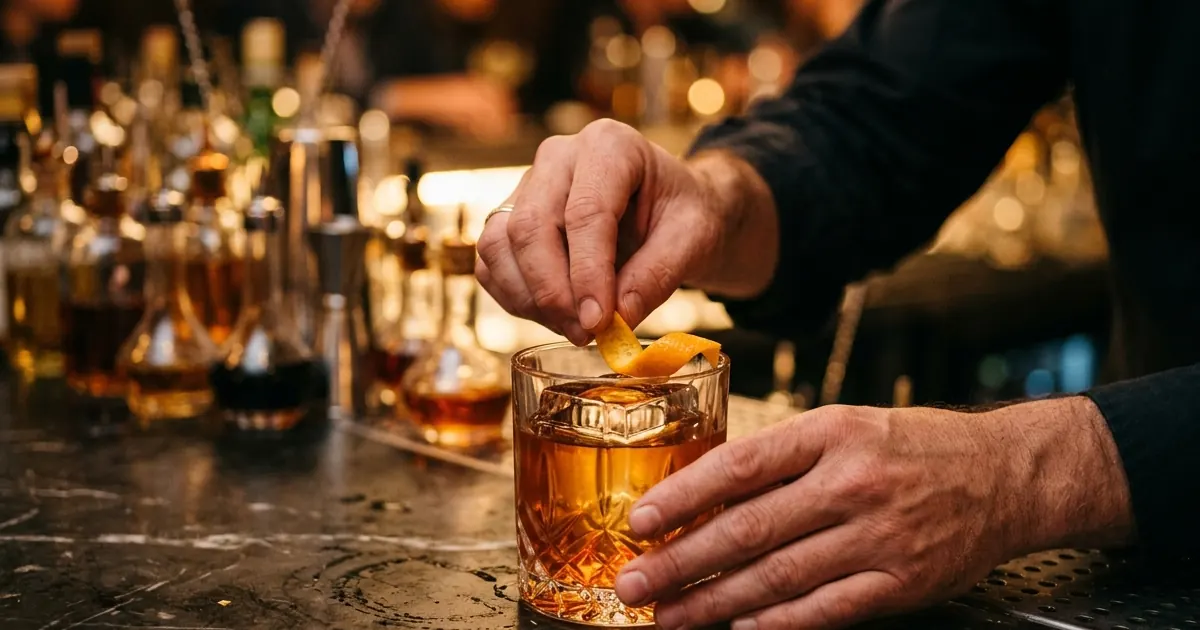
Alcohol brands and beverage businesses need more than product pages to attract relevant audiences online. Consumers often search for cocktail recipes, drink ingredients, serving suggestions, seasonal beverages, and party drink ideas before exploring a particular brand or product. These informational searches create opportunities for beverage businesses to connect with potential customers through useful, search-optimised content.
Recipe SEO helps alcohol brands attract relevant organic traffic by optimising cocktail recipes and beverage content for search intent, improving website structure, and connecting informational pages with relevant product information. When supported by technical SEO, original content, and effective internal linking, recipe-focused content can contribute to greater search visibility and audience engagement.
At NSP Global Services, we help businesses develop SEO and content strategies that align user needs with business objectives. For alcohol brands and beverage websites, recipe SEO can become an important part of a broader organic growth strategy when implemented with responsible marketing practices and applicable advertising regulations in mind.
What Is Recipe SEO for Alcohol Brands?
Recipe SEO is the process of optimising recipe pages so that search engines can understand their content and users can easily find, navigate, and follow them. For alcohol brands, this can include cocktail recipes, ingredient-based drinks, seasonal beverages, serving suggestions, and clearly labelled alcohol-free alternatives.
An effective alcohol brand SEO strategy combines relevant keyword research with accurate instructions, useful imagery, clear page structure, and appropriate technical optimisation. Rather than relying exclusively on product descriptions, brands can answer questions that their audiences are already searching for.
For example, a gin brand could create a recipe library covering classic gin cocktails, citrus-based drinks, seasonal recipes, and alcohol-free alternatives. Each page could explain the ingredients, preparation method, serving details, and relevant product information.
This approach allows brands to develop useful informational content while creating relevant pathways to other pages on their websites.
How Does Recipe SEO Drive Organic Traffic to Beverage Websites?
Recipe SEO can support organic traffic growth by helping beverage websites address informational search queries, expand relevant content coverage, and improve connections between related pages. The results depend on content quality, competition, search demand, and the website's overall SEO performance.
1. Targets Relevant Search Queries
People search online for specific beverage recipes, ingredients, preparation methods, and drink variations. These searches give alcohol brands an opportunity to publish content that directly addresses user needs.
Examples of relevant search themes include:
- Classic cocktail recipes
- Gin cocktails with citrus ingredients
- Seasonal cocktail recipes
- Simple drink preparation guides
- Alcohol-free beverage alternatives
Brands should conduct keyword research to understand the language users employ, the intent behind their searches, and the competition for relevant queries.
Cocktail recipe SEO should incorporate appropriate keyword variations naturally into page titles, headings, introductions, image descriptions, and supporting content. The goal is to answer the user's query accurately rather than repeat keywords unnecessarily.
2. Builds a Stronger Content Strategy
A well-organised recipe library allows beverage websites to cover a wider range of relevant informational topics.
Instead of publishing unrelated articles, brands can group recipes into logical categories such as classic cocktails, ingredient-based drinks, seasonal recipes, and alcohol-free alternatives. Each category can serve as a central resource linking to individual recipe pages.
For example, a beverage website could create a dedicated citrus cocktail collection that links to recipes featuring lemon, lime, and other relevant ingredients. Individual recipes could then link to related drinks and appropriate product information.
This structure helps users navigate the website and gives search engines clearer contextual relationships between related pages.
At NSP Global Services, we recommend planning recipe content around search intent, topical relevance, and internal linking opportunities to support a consistent beverage SEO strategy.
3. Improves User Engagement
Useful recipe content gives visitors a clear reason to explore a beverage website beyond its product catalogue.
A well-developed recipe page should provide accurate ingredient measurements, step-by-step preparation instructions, serving details, and relevant original photographs. Descriptive headings and easy-to-follow formatting also help users find the information they need.
Brands can improve the user experience by linking recipes to relevant product pages, related recipes, and supporting educational resources.
For example, a recipe featuring a particular spirit could link to the relevant product information page, where legally permitted and appropriate. This creates a logical journey from informational content to further product research without making unsupported claims about conversion outcomes.
4. Creates Opportunities for Relevant Conversions
Recipe pages can support business goals when they connect useful information with appropriate next steps.
Depending on the business model and applicable regulations, these steps might include viewing product details, finding authorised retailers, exploring a beverage collection, or submitting a permitted business enquiry.
To make these connections useful, internal links should be relevant to the recipe and the user's likely next question. Avoid excessive promotional links that distract from the main content.
Recipe SEO should therefore be evaluated not only by organic visits but also by whether those visits contribute to meaningful engagement and relevant business outcomes.
How to Optimise Cocktail Recipe Pages for Search Engines
Successful cocktail recipe SEO involves more than adding keywords to a blog post. Each page should provide complete, accurate information in a structure that is easy for readers and search engines to understand.
1. Use Descriptive, Search-Focused Titles
Create a unique title that clearly communicates the recipe or topic covered by the page.
For example, a title should identify the beverage or recipe variation rather than rely on vague wording such as “A Perfect Drink for Every Occasion.”
Include the primary keyword where it fits naturally, and make sure the title accurately reflects the page content.
2. Provide Clear Ingredients and Preparation Instructions
A useful recipe page should clearly present:
- The ingredients and their measurements
- The preparation steps in the correct order
- Preparation and cooking times, where applicable
- Serving information and any relevant variations
- Original photographs that accurately represent the recipe
Recipe information should be accurate and complete. If a page contains only general serving suggestions rather than a complete recipe, do not misrepresent it as a full recipe for structured-data purposes.
3. Use Relevant Keyword Variations
Keyword research can help identify related questions and topics that deserve coverage.
Depending on the recipe, relevant variations might include the beverage category, key ingredients, preparation method, or seasonal context.
Use these terms naturally in the content, headings, and metadata. Avoid creating multiple nearly identical pages solely to target minor keyword variations.
4. Optimise Images for Accessibility and Performance
Original recipe photographs can help users understand the finished beverage and the preparation process.
Use descriptive image filenames and meaningful alternative text that explains the image for users who cannot see it. Compress images appropriately and use suitable image dimensions to support page performance.
Alternative text should describe the actual image rather than contain a list of target keywords.
5. Strengthen Internal Linking
Link individual recipe pages to relevant recipe collections, related guides, and appropriate product information.
For example, a classic cocktail recipe might link to a related recipe collection, an ingredient guide, and a relevant product page.
Use descriptive anchor text and ensure that every link provides a useful next step for the reader. This supports website navigation and helps search engines understand relationships between pages.
How Recipe Schema Helps Search Engines Understand Cocktail Recipes
Recipe structured data, commonly implemented using the Recipe schema type, provides information about a recipe in a format that search engines can interpret.
Depending on the content and eligibility requirements, relevant properties may include the recipe name, ingredients, preparation instructions, preparation time, cooking time, image, and yield.
For eligible pages, accurate structured data can help a recipe qualify for enhanced search appearances. However, Recipe Schema does not guarantee rich results, higher rankings, or inclusion in AI-generated answers.
Alcohol brands should follow these implementation practices:
- Add Recipe structured data only to pages that genuinely contain a specific recipe and meet the applicable guidelines.
- Ensure that structured data accurately reflects the information visible to users.
- Validate the implementation using Google's Rich Results Test.
- Monitor indexing and search performance through Google Search Console.
- Correct errors and review the markup when the page content changes.
Educational articles about recipe SEO should not be marked up as recipes merely because they discuss cocktail recipes. Use structured data appropriate to the actual content of each page.
For further guidance, consult Google's Recipe structured data documentation.
How Can Alcohol Brands Optimise Recipe Content for GEO and AEO?
Generative Engine Optimisation (GEO) and Answer Engine Optimisation (AEO) focus on making content useful, understandable, and accessible for search experiences that provide direct answers or AI-generated summaries.
For alcohol brands, a practical GEO and AEO strategy starts with the same fundamentals as effective SEO: accurate information, clear structure, relevant answers, original content, and sound technical implementation.
1. Answer Questions Directly
Use descriptive headings that reflect genuine user questions, then answer each question immediately before expanding on the details.
For example, a section titled “What Should an SEO-Optimised Cocktail Recipe Page Include?” can begin with a concise list of the essential elements before explaining each one.
This structure helps readers find answers quickly and makes the content easier for search systems to interpret.
2. Publish Original and Informative Content
Avoid producing large numbers of repetitive recipe pages that offer little additional value.
Instead, include original instructions, meaningful recipe variations, accurate ingredient information, original photographs, and helpful explanations of preparation methods.
Where appropriate, identify the author or reviewer and provide credible supporting sources for factual claims.
3. Maintain Consistent Product Information
Ensure that product names, brand details, and other factual information are consistent across relevant pages.
When a recipe features a specific product, explain the relationship clearly without making unsupported claims about its qualities or benefits.
Consistent information can help readers and search systems understand the entities discussed in the content.
4. Organise Content into Related Topic Clusters
Create meaningful connections between recipe pages, ingredient guides, seasonal collections, and relevant product information.
A recipe collection should help users explore related content rather than function as a list of disconnected keyword-targeted pages.
This approach supports topical coverage and creates a clearer internal-linking structure.
5. Measure Visibility Without Assuming AI Citations
Track organic clicks, impressions, relevant queries, engagement, and conversions using appropriate analytics tools.
Where data is available, monitor identifiable visits from AI-powered search and referral sources. You can also periodically review selected relevant prompts to understand how your brand and content appear in those experiences.
AI citations and visibility cannot be guaranteed. There is no special GEO markup that ensures inclusion in AI-generated answers, so content quality and established SEO practices should remain the foundation of the strategy.
How to Measure Recipe SEO Performance and Organic Conversions
Measuring performance helps alcohol brands identify which recipe pages attract relevant visitors and which require improvement.
The most useful metrics depend on the website's objectives, but the following indicators provide a practical starting point.
| SEO metric | What it helps you understand |
|---|---|
| Organic clicks | How many visits recipe pages receive from organic search |
| Search impressions | How frequently pages appear for relevant search queries |
| Click-through rate | How often impressions result in clicks |
| Query performance | Which search terms bring users to individual recipes |
| Engagement metrics | How visitors interact with recipe content |
| Internal-link interactions | Whether visitors explore related recipes or product pages |
| Conversions | Whether visits contribute to relevant enquiries or other defined business outcomes |
Use Google Search Console to review search impressions, clicks, and queries. Use an analytics platform to assess engagement and configured conversion events.
For example, if a recipe page receives impressions but relatively few clicks, review whether its title and description accurately reflect the search intent. If visitors arrive but do not engage with related content, consider improving the recipe layout, internal links, and clarity of the information.
Review performance periodically and prioritise changes based on evidence rather than making unnecessary updates to every page.
Responsible Alcohol Marketing Considerations
Alcohol-related content must be developed with particular attention to audience suitability and applicable advertising regulations.
Brands should consider the following practices:
- Ensure that content and promotional activity are intended for legally eligible adult audiences.
- Follow applicable age restrictions and advertising requirements in each target market.
- Avoid encouraging excessive consumption or presenting alcohol as a solution to social, personal, or health-related problems.
- Clearly distinguish alcohol-free alternatives from alcoholic recipes.
- Review platform-specific policies before using paid advertising or promotional campaigns.
- Ensure that product links, calls to action, and other commercial elements comply with applicable regulations.
Alcohol advertising requirements vary across countries and platforms. Businesses should obtain appropriate compliance guidance before publishing or promoting content in their target markets.
At NSP Global Services, responsible content planning should form part of a sustainable SEO strategy rather than being treated as an afterthought.
Conclusion: Build Organic Visibility With Recipe SEO
Recipe SEO gives alcohol brands and beverage businesses a practical way to reach relevant audiences through useful, search-focused content. By targeting appropriate queries, publishing original recipes, improving internal linking, and implementing structured data correctly, brands can strengthen their organic search foundations.
Combining traditional SEO with GEO and AEO principles can make content clearer and more useful for readers and search systems. However, sustainable growth requires more than keyword optimisation: it also depends on technical quality, original information, performance measurement, and responsible marketing.
NSP Global Services helps businesses develop search-focused content strategies designed to improve discoverability, strengthen website content, and support measurable organic growth. For alcohol and beverage businesses looking to improve their search strategy, a structured approach to recipe SEO can be a valuable part of their wider digital marketing efforts.
Frequently Asked Questions About Recipe SEO for Alcohol Brands
1. What is recipe SEO for alcohol brands?
Recipe SEO is the process of optimising cocktail and beverage recipe pages to improve their discoverability in relevant search results. It includes keyword research, clear recipe instructions, useful imagery, internal linking, and appropriate technical optimisation.
2. Can cocktail recipes help alcohol brands rank on Google?
Yes. Original, useful cocktail recipes can attract organic traffic when they satisfy relevant search intent and meet quality and technical requirements. Rankings depend on competition, relevance, content quality, and other factors, so results are not guaranteed.
3. How does recipe SEO generate leads for beverage brands?
Recipe pages can direct interested adult visitors to relevant product information, authorised retailer pages, or permitted enquiry channels. These pathways can support business objectives when they are relevant to the content and comply with applicable regulations.
4. What types of recipes should alcohol brands publish?
Alcohol brands can consider classic cocktails, ingredient-based recipes, seasonal beverages, preparation guides, and clearly labelled alcohol-free alternatives. The content should reflect audience needs, brand relevance, and applicable marketing requirements.
5. How can cocktail recipes support GEO?
Clear headings, accurate instructions, direct answers, original information, and consistent product details can help search systems interpret recipe content. These practices may support discoverability, but they do not guarantee AI-generated citations or recommendations.
6. Should alcohol brands use Recipe Schema?
Yes, when an individual page contains a qualifying recipe and meets Google's structured-data guidelines. Recipe Schema helps search engines interpret recipe information and can support eligibility for enhanced search appearances, but it does not guarantee rankings or rich results.
7. How do you measure the success of recipe SEO?
Measure organic clicks, impressions, click-through rates, relevant search queries, engagement, internal-link interactions, and attributable conversions. Google Search Console and analytics tools can help identify successful pages and opportunities for improvement.
8. What keywords should alcohol brands target for cocktail recipe SEO?
Brands should research relevant cocktail names, beverage categories, ingredients, preparation methods, and seasonal queries. Keyword selection should reflect search demand, audience intent, competition, and the website's overall content strategy.
9. How often should beverage brands update recipe content?
Review recipe content periodically and update it when ingredients, instructions, product details, regulations, or supporting information change. Use search performance and content accuracy to prioritise updates rather than refreshing pages without a clear reason.
10. Can alcohol brands use mocktail recipes in their SEO strategy?
Yes. Clearly labelled alcohol-free recipes can broaden a beverage website's informational coverage and serve audiences looking for non-alcoholic alternatives. These pages should be relevant to the brand's positioning and comply with applicable marketing regulations.

Nishi Singh
(Content Writer & SEO Manager)
NSP Global Services is a leading digital marketing agency specialising in SEO, content strategy, and paid advertisements — helping businesses across SaaS, B2B, and e-commerce achieve measurable growth online.
Posted on: Oct 26, 2026